



What Is Dhat Syndrome?
Dhat syndrome is a culturally recognized pattern of anxiety, commonly seen in Pakistan, India, and other South Asian countries, in which a person becomes preoccupied with the belief that semen loss — through masturbation, nightfall, or urine — is draining their physical and mental strength. It is generally understood by medical professionals as a somatic (body-focused) expression of anxiety rather than a disease caused by semen loss itself.
People experiencing Dhat syndrome often describe:
- Persistent worry or guilt after masturbation or nightfall
- A feeling of physical weakness, tiredness, or “loss of vitality”
- Difficulty concentrating, especially around exams or work
- Low mood, irritability, or reduced self-confidence
- Sleep disturbances and general nervous exhaustion
It’s important to understand that these symptoms are real and deserve care, but the underlying cause is usually psychological stress and misinformation rather than physical damage from masturbation.
Common Causes and Contributing Factors
Several overlapping factors tend to feed into Dhat syndrome and nightfall-related anxiety:
Misinformation and cultural myths. Many young men grow up hearing exaggerated claims that masturbation causes permanent weakness, infertility, or “loss of manhood.” These beliefs are not supported by medical evidence, but they create genuine anxiety.
Performance and exam-related stress. Students preparing for competitive exams often report a spike in worry around nightfall, associating it with reduced memory or concentration, even though the two are not medically linked.
Guilt and religious or social conditioning. Feelings of shame around normal sexual development can intensify anxiety symptoms and make a person hyper-aware of every nocturnal emission.
Poor sleep hygiene and irregular routines. Erratic sleep schedules, late-night screen use, and high stress before bed can increase the frequency of nocturnal emissions and worsen anxiety about them.
Underlying anxiety or depressive symptoms. In some cases, Dhat-type symptoms overlap with broader anxiety, sleeplessness, or low mood that would benefit from proper evaluation.
Dhat Syndrome and Nightfall: What’s Normal and What Isn’t?
Nightfall, or nocturnal emission, is a natural physiological event, especially common in adolescence and young adulthood, and it does not indicate illness, infertility, or reduced strength on its own. Frequency varies widely between individuals and generally settles with age or with a more regular routine and reduced sexual stimulation before sleep.
What does warrant attention is not the nightfall itself, but persistent anxiety, disrupted daily functioning, or physical symptoms that don’t improve with rest and lifestyle changes. In those situations, addressing the anxiety directly — rather than trying to “cure” a normal bodily process — is the more useful path forward.
How a Homeopathic Recovery Plan Fits In
Homeopathy takes a holistic, individualized approach, evaluating a person’s physical symptoms alongside their emotional and mental state rather than treating a single symptom in isolation. For men experiencing nervous exhaustion, anxiety, fatigue, sleeplessness, and low confidence associated with sexual health worries, Warsan Homoeopathic’s Men Range and Brain Health & Neurological Diseases categories include formulations intended to support these related concerns as part of a broader wellness routine.
It’s important to set realistic expectations: homeopathic remedies are not a guaranteed cure, they do not reverse any physical effect of masturbation (because masturbation itself does not cause the physical damage many people fear), and they work best as part of a complete recovery plan that also addresses sleep, stress, and mindset. As with any health product, remedies should be selected in consultation with a qualified homeopathic physician who can assess the individual’s full symptom picture, and product packaging and dosage instructions should always be followed.
A Practical Recovery Plan
Example scenario: Consider a university student in Lahore who has read online that “excessive” masturbation is destroying his health. He’s anxious, sleeping poorly, and struggling to focus before exams. Rather than searching for a single “cure,” a realistic recovery plan for someone in this situation typically includes several elements working together:
- Correct the misinformation first. Understanding that occasional masturbation and nightfall are not medically harmful often reduces a large part of the anxiety on its own.
- Build a consistent sleep routine. Going to bed and waking at the same time daily, avoiding screens close to bedtime, and keeping the bedroom cool and dark can reduce nocturnal emission frequency and improve overall rest.
- Manage stress actively. Daily physical activity, breathing exercises, or short walks help regulate the nervous system and reduce the anxiety loop that fuels Dhat-type symptoms.
- Reduce overstimulation. Cutting back on pornography and late-night screen exposure can lower overstimulation that some people associate with more frequent nightfall.
- Eat and hydrate well. A balanced diet with adequate protein, iron, and hydration supports general energy levels that anxiety and poor sleep can otherwise deplete.
- Consider supportive homeopathic care. Under professional guidance, homeopathic remedies aimed at nervous exhaustion, anxiety, and sleeplessness may complement the lifestyle steps above.
- Talk to someone. Whether a physician, counselor, or trusted homeopathic practitioner, discussing the anxiety openly — rather than searching for reassurance alone online — tends to speed up recovery.
Common Myths vs. Facts
Because so much of the anxiety around Dhat syndrome comes from misinformation passed between friends, online forums, and unregulated advertisements, it helps to separate popular myths from what medical understanding actually supports:
- Myth: Masturbation permanently drains “vital energy” and weakens the body forever. Fact: No credible medical evidence supports the idea that masturbation causes lasting physical weakness. Fatigue linked to Dhat syndrome is more consistently associated with poor sleep and anxiety than with semen loss itself.
- Myth: Frequent nightfall means something is medically wrong. Fact: Frequency varies naturally from person to person and tends to settle with age, routine, and reduced pre-sleep stimulation. It is not, by itself, a sign of illness.
- Myth: Only extreme or “miracle” remedies can reverse the damage. Fact: Because there generally isn’t physical damage to reverse, recovery is more realistically framed around reducing anxiety, correcting sleep patterns, and rebuilding confidence — with supportive remedies playing a complementary role rather than a “fix.”
- Myth: Talking about it makes the problem worse or more shameful. Fact: Most people find that openly discussing the anxiety with a doctor, counselor, or trusted practitioner reduces the emotional weight of the issue considerably.
Supporting Mental Health Alongside Physical Recovery
Because Dhat syndrome is now widely understood as an anxiety-driven condition, addressing the emotional and psychological side is often just as important as any physical or homeopathic support. A few points worth keeping in mind:
- Anxiety feeds the cycle. Worrying about nightfall can itself disrupt sleep and increase stress hormones, which in some individuals may increase the very symptoms being feared — creating a loop that’s more psychological than physical.
- Isolation makes it harder. Many young men in Pakistan avoid discussing these concerns due to embarrassment, which can prolong distress unnecessarily. A brief, confidential conversation with a general physician is often enough to get accurate reassurance.
- Academic and social pressure play a role. Where symptoms are closely tied to exam stress or performance anxiety, addressing the underlying pressure — through study breaks, better time management, or counseling support — often does more for recovery than any product alone.
- Self-criticism is counterproductive. Approaching recovery with patience rather than guilt tends to produce steadier, longer-lasting improvement than trying to “punish” the body into stopping a normal process.
Diet and Daily Habits That Support Recovery
Alongside sleep and stress management, general nutrition and daily habits play a supporting role in how energetic and resilient the body feels during recovery:
- Balanced meals over restrictive diets. Regular meals with adequate protein, whole grains, and vegetables help maintain steady energy levels, which can indirectly reduce the fatigue often blamed on nightfall.
- Limit caffeine late in the day. Excess caffeine, especially in the evening, can worsen sleep quality and increase the anxiety that drives Dhat-type symptoms.
- Stay physically active. Regular exercise — even a brisk 20–30 minute walk most days — supports better sleep, mood regulation, and overall stamina.
- Avoid unverified “instant cure” products. Pakistan’s market includes many unregulated supplements making exaggerated claims about reversing sexual weakness overnight. These products often lack verified ingredients or safety testing, and readers are encouraged to choose products from established, verifiable manufacturers and to consult a qualified practitioner before use.
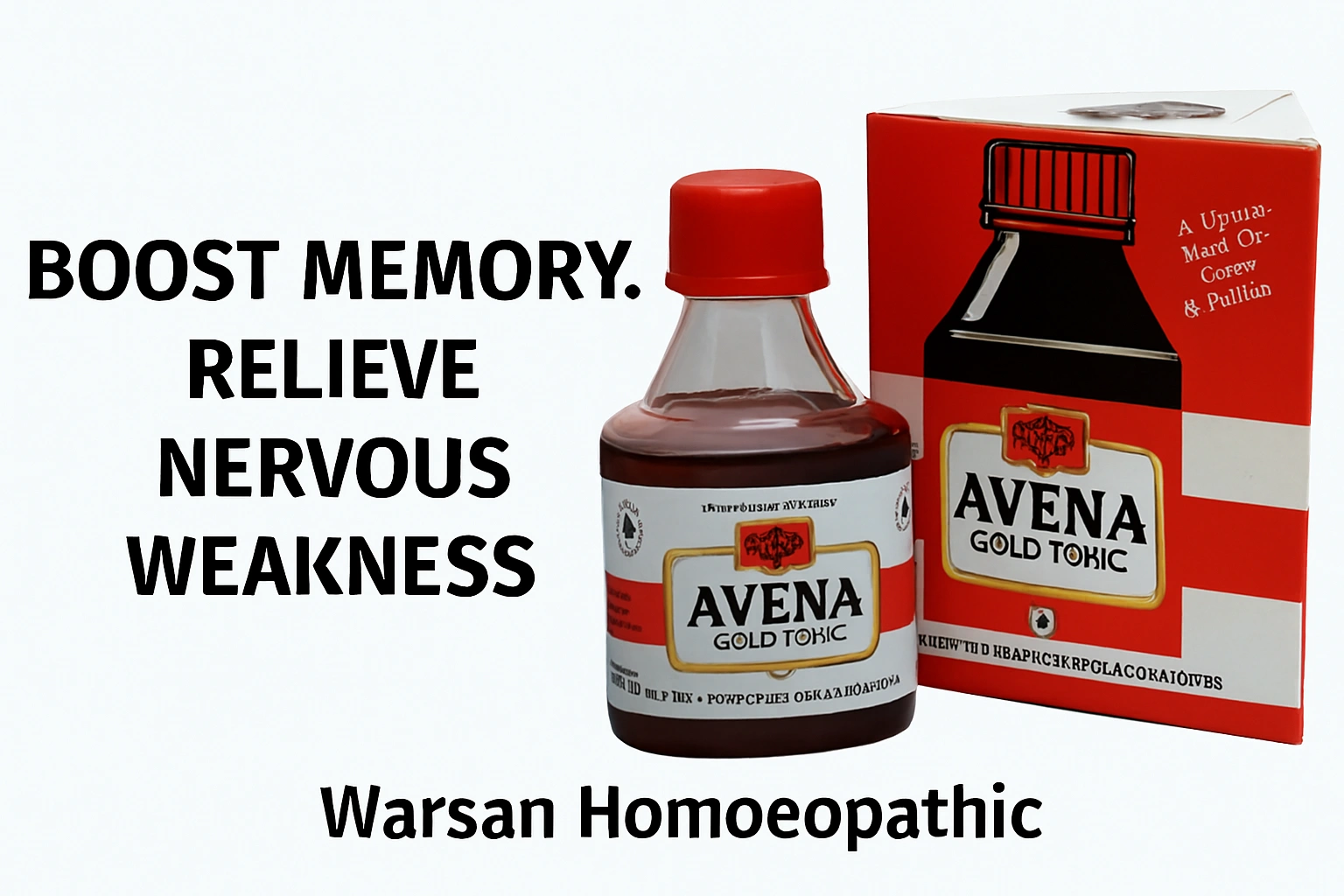
Avena Gold Syrup 180ml
Avena Gold Syrup is an effective natural nerve tonic designed to restore vitality, support nervous system recovery, and rebuild physical and mental strength.
None of these habits are a guaranteed fix on their own, but together with accurate information and, where appropriate, professional homeopathic guidance, they form a realistic foundation for recovery.
Precautions and When to See a Doctor
Homeopathic remedies are generally considered gentle, but they are not appropriate for self-diagnosis of underlying medical or psychological conditions. Please consult a qualified physician or homeopathic practitioner before starting any remedy, particularly if:
- Anxiety, guilt, or low mood is significantly affecting daily life, studies, or work
- Symptoms of depression, panic, or persistent sleeplessness are present
- There are physical symptoms such as pain, blood in urine, or discharge unrelated to nocturnal emission
- Symptoms continue or worsen despite lifestyle changes over several weeks
- The individual is a minor, or has any pre-existing chronic health condition
Dhat syndrome-related anxiety often responds well to reassurance, structured routine, and professional support. If distress is severe or persistent, seeing a doctor or mental health professional is strongly recommended rather than relying on any single remedy or product.