


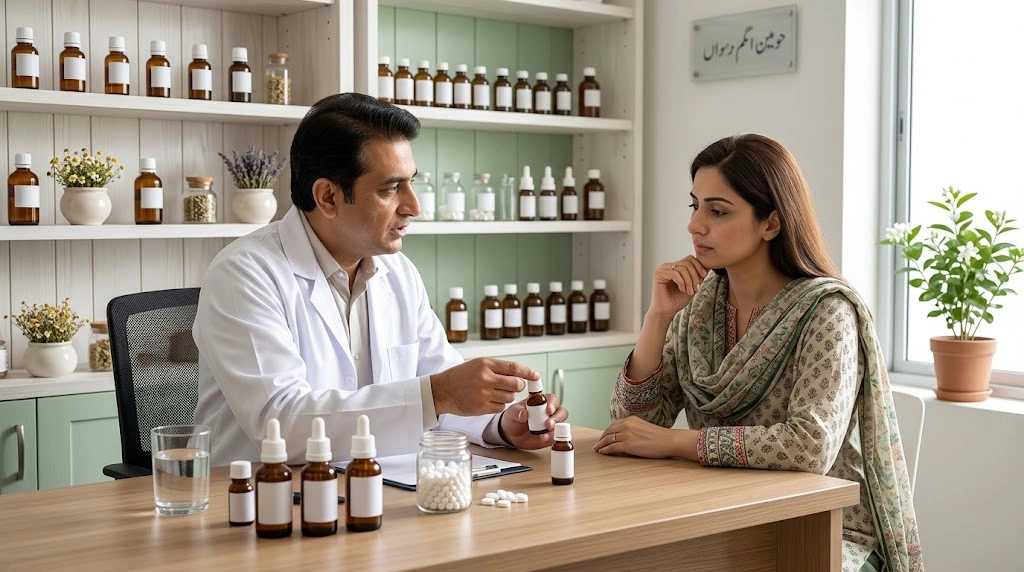
Homeopathy is a 200-year-old natural system of medicine that stimulates the body’s own healing power using gentle, safe, and individualized remedies based on the “like cures like” principle.
If you are searching to understand what is homeopathy and how does it work, or you are looking for a simple beginner guide to homeopathic medicine in Pakistan before trying it for the first time, this guide walks through the core principles behind homeopathy, how remedies are prepared, what forms they come in, and what first-time users in Pakistan should keep in mind before starting treatment.
What Is Homeopathy?
Homeopathy is a system of natural health care that has been in worldwide use for over 200 years. Homeopathy treats each person as a unique individual with the aim of stimulating their own healing ability. A homeopath selects the most appropriate medicine based on the individual’s specific symptoms and personal level of health. It is recognised by the World Health Organisation as the second largest therapeutic system in use in the world. While it is most popular in South Asia and South America, over thirty million people in Europe, and millions of others around the world, also benefit from its use.The Name “Homeopathy” and Its Origin
The term homeopathy, introduced by its founder Samuel Hahnemann, comes from Greek roots meaning “similar suffering,” reflecting the core principle of “like cures like” used in treatment. Hahnemann, born in Germany over 250 years ago, developed this system during a period when medical knowledge was shifting from traditional beliefs toward observation-based scientific evaluation. Homeopathy is described as a structured therapeutic approach grounded in defined principles, with its practical application relying on clinical skill and individualized patient care.How Does Homeopathy Work? The Core Principles
Homeopathy works on two founding principles that guide how every remedy is selected and prepared: the “like cures like” principle, known as the Law of Similars, and the minimum dose, which uses highly diluted preparations to trigger the body’s own healing response. Homeopathy is based on two core principles that have been referenced throughout the history of medicine in both Eastern and Western traditions. The first principle, “like cures like,” suggests that a substance capable of producing certain symptoms in a healthy person may, in a prepared form, help treat similar symptoms in a sick individual. This idea is often interpreted as the body’s built-in ability to recognize and respond to illness through natural defense mechanisms, where symptoms are seen as part of a healing process rather than just signs of disease. This inherent response, sometimes referred to as the vital reaction, occurs automatically in all living systems. According to this view, a similar remedy may act as a trigger that supports the body’s self-regulating processes by encouraging it to complete its natural recovery pattern. As this interaction begins, symptoms may temporarily become more noticeable, which is understood as a sign that the body’s internal healing activity has been activated and is progressing through existing symptom pathways. Before the medicines are decided upon, their curative powers are discovered by testing them out on healthy human subjects and carefully noting emotional, mental and physical changes. This is termed a ‘proving’. This information constitutes the basis for ‘like cures like’, for a medicine’s unique symptom picture must match up with the individual’s unique expression of their disease, that is, the present and persisting symptoms of the disease. The second principle, using only ‘the minimum dose,’ is based on the idea that healing begins from within the body’s vitality rather than being forced externally. Just enough medicine is given to trigger the natural healing response, which then continues through the body’s own restorative power. Homeopathic remedies used in minimal doses aim to activate this response without the stronger side effects sometimes associated with high-dose conventional treatments.Why Is Homeopathy So Popular?
- Homeopathic treatment works with your body’s own healing powers to bring about health and well being.
- You are treated as an individual, not as a collection of disease labels.
- Homeopathy treats all your symptoms at all levels of your being – spiritual, emotional, mental and physical – and finds the ‘like cures like’ match for them.
- Homeopathically prepared remedies, providing the minimum dose, are gentle, subtle and powerful. They are non-addictive, and not tested on animals.
A Beginner’s Guide to Starting Homeopathic Medicine in Pakistan
For first-time users, homeopathy works best when approached the same way as any other form of treatment: with proper guidance rather than guesswork. A few practical steps can make the experience safer and more effective for beginners in Pakistan.- Consult a qualified homeopath or physician before starting treatment, especially for children, pregnant women, or anyone managing a chronic condition.
- Describe your symptoms in detail, including physical, emotional, and lifestyle factors, since homeopathy relies on a complete picture of the individual rather than a single symptom.
- Follow the dosage and usage instructions printed on the product label, and avoid mixing multiple remedies without professional advice.
- Give the remedy the recommended time to act, and keep a simple note of any changes in your symptoms to discuss at your next consultation.
- Always check the manufacturing and expiry dates, and buy only from an established, quality-assured homeopathic manufacturer.
An Everyday Example
Consider a hypothetical example: a parent in Pakistan notices their child has a recurring seasonal cold with a runny nose. Instead of self-selecting a remedy at random, the parent describes the child’s full symptom pattern, sleep, and appetite changes to a homeopath, who then recommends an appropriate remedy from a trusted brand’s Kids Range and explains the correct dosage for the child’s age. This illustrates how individualized assessment, not the symptom name alone, guides homeopathic treatment.Common Forms of Homeopathic Medicine
Homeopathic remedies are manufactured in several forms to suit different needs and age groups. Tablets are commonly used for general and chronic conditions and are easy to store and dose. Syrups are often preferred for children and for conditions affecting the respiratory or digestive system because they are easier to administer. Drops and dilutions are typically used for precise, symptom-specific dosing, while mother tinctures serve as a concentrated base used in various preparations. Choosing the right form usually depends on the age of the patient, the condition being addressed, and the guidance of a homeopath.Is Homeopathy Safe? What First-Time Users Should Know
Homeopathic remedies prepared through minimum-dose methods are generally considered gentle, but “natural” does not mean every product is automatically suitable for every person or situation. First-time users in Pakistan should keep a few safety points in mind.- Homeopathy is not a substitute for emergency medical treatment; seek immediate medical attention for severe, worsening, or life-threatening symptoms.
- Children, pregnant or breastfeeding women, and people with chronic illnesses should use homeopathic medicine only under professional guidance.
- If symptoms persist or worsen after a reasonable period of use, consult a qualified healthcare professional rather than continuing self-treatment.
- Purchase homeopathic medicines only from a manufacturer that clearly lists ingredients, dosage, and manufacturing and expiry dates on the packaging.
Homeopathy vs Conventional Medicine: What Beginners Should Understand
Homeopathy and conventional medicine are built on different approaches to treatment. Conventional medicine generally uses pharmacologically active substances at measured doses to act directly on a disease process. Homeopathy, by contrast, uses highly diluted preparations selected on the basis of the individual’s complete symptom picture, with the stated aim of supporting the body’s own regulatory response. Many people in Pakistan use homeopathy alongside conventional care rather than as a replacement for it, particularly for chronic or lifestyle-related concerns, while continuing to rely on conventional medicine for emergencies and acute conditions. A qualified homeopath or physician is best placed to advise on how the two can be used responsibly together.Choosing a Trusted Homeopathic Medicine Brand in Pakistan
Since homeopathic remedies are prepared using minimum, highly diluted doses, the quality of raw materials and manufacturing standards has a direct bearing on product reliability. Beginners are encouraged to choose brands that are transparent about their certifications and manufacturing process. Warsan Homoeopathic, for example, is an ISO 9001:2015 and GMP certified manufacturer that has been producing homeopathic medicines for Pakistan’s domestic and export markets for over 25 years, with product ranges covering kids, women, men, and general and specialized disease categories. When buying any homeopathic product, it is good practice to check for the manufacturer’s name and logo on the packaging and to confirm the manufacturing and expiry dates before use. Established homeopathic manufacturers typically maintain in-house research and quality-control processes to standardize how raw materials are sourced, potentized, and tested before a remedy reaches the market. For a beginner, this manufacturing transparency, rather than marketing claims alone, is a more reliable indicator of a brand worth trusting.
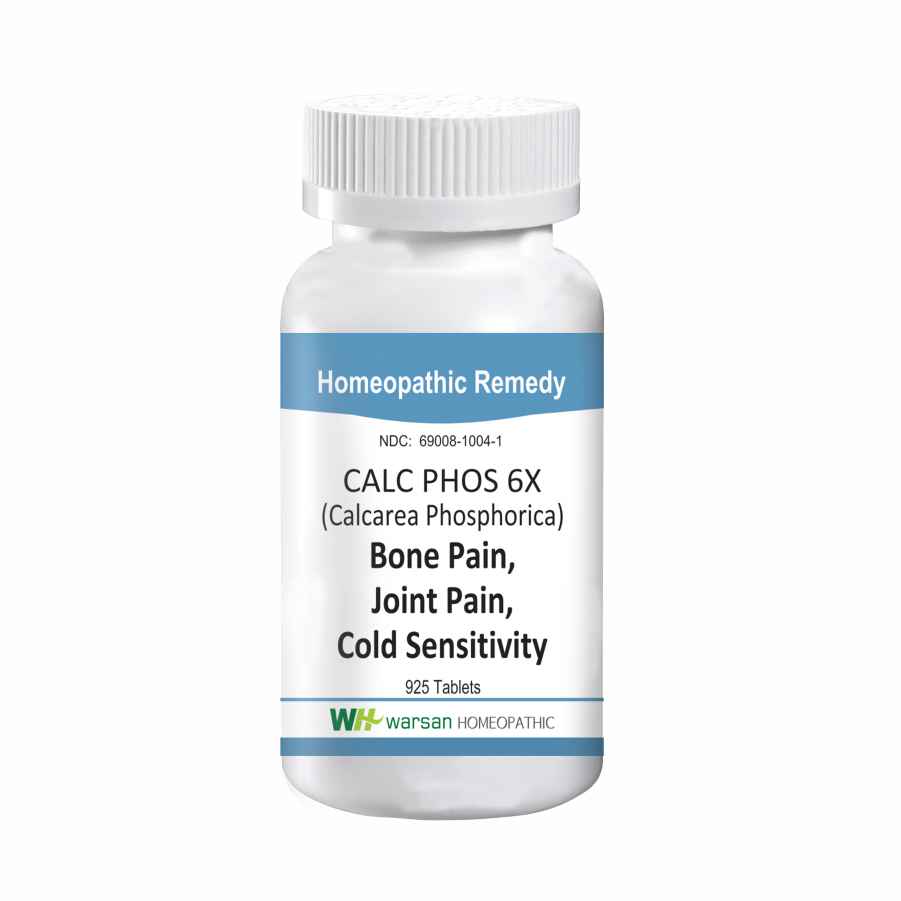
Calcarea Phosphorica 6X
Warsan Homeopathic · Herbal Products
Calcarea Phosphorica 6X homeopathic product.
View Product