


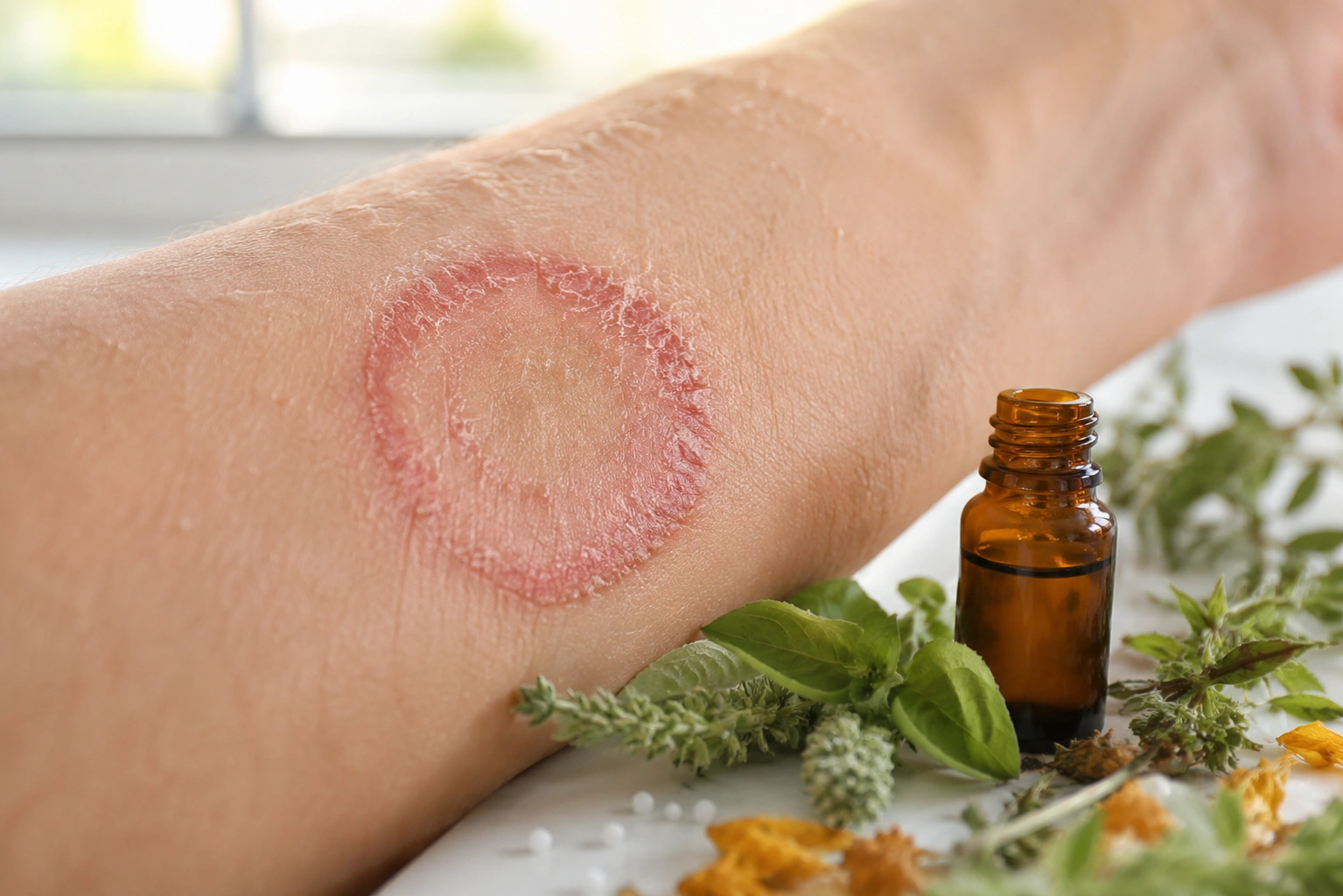
Have you ever woken up to an itchy red patch on your skin and wondered, “Is this ringworm, and how do I treat it naturally?” You’re not alone. Fungal infections like ringworm affect up to 20–25% of people worldwide at some point in their lives, especially in humid climates where skin fungus thrives.¹
Imagine being weeks into a vacation, only to have a fungal rash ruin your plans—itchy, embarrassing, and stubborn. That’s exactly where many people find themselves before they start seeking alternative solutions. The good news? There are natural approaches, including fungal infection homeopathy, that many have found supportive for symptom relief and healing.
In this comprehensive guide, you’ll learn what works, what doesn’t, and how to integrate homeopathic ringworm treatment natural strategies safely and effectively. By the end, you’ll feel confident identifying fungal infections, understanding effective remedies, and forming a treatment plan that fits your lifestyle.
What Is Fungal Infection and How Does It Affect the Skin?
Fungal infections occur when fungi overgrow on or in the body, particularly in warm, moist areas like feet, groin, and underarms. Ringworm (tinea corporis) is a common example, characterized by a circular, red rash with clearer skin in the center. These infections are more than cosmetic; they can cause intense itching, pain, and even secondary bacterial infections if left untreated.
Fungi thrive in conditions where the natural skin barrier is compromised—think sweaty skin, tight clothing, or minor cuts. According to the World Health Organization, superficial fungal infections impact over 1 billion people globally, making them one of the most common skin health issues.²
From a homeopathic perspective, fungal infections are seen not just as localized problems but as expressions of systemic imbalance. This holistic view informs the selection of remedies that aim to both soothe symptoms and stimulate the body’s innate healing ability.
Pro Tip: Keeping skin clean and dry is the first and most reliable step in preventing fungal infection flare‑ups.
How Does Fungal Infection Homeopathy Work?
Fungal infection homeopathy operates on the principle of “like cures like.” Remedies are chosen based on the totality of symptoms—appearance of the rash, sensations (itchy, burning, stinging), and even personality or emotional responses.
Unlike conventional topical antifungals that target fungi directly, homeopathic remedies are believed to support the body’s defense mechanisms. While homeopathy’s mechanisms aren’t fully explained by mainstream science, numerous case reports suggest people experience relief when remedies are individualized and properly selected.
Example:
- A person with ringworm that itches intensely at night might respond well to Sulphur, a remedy often indicated for burning, itching aggravated by warmth and night.
- Someone whose rash spreads slowly with dry, scaly edges might find Graphites beneficial.
It’s important to clarify: homeopathic remedies are highly diluted substances. They’re generally safe but should be chosen carefully, ideally with professional guidance.
Expert Insight: Homeopathy prioritizes individual symptom patterns over disease labels. Two people with “ringworm” might receive different remedies based on their unique presentation.
Which Homeopathic Remedies Are Most Effective for Ringworm?
Here’s a breakdown of top homeopathic remedies commonly used for ringworm and other skin fungus concerns. Remember: these suggestions are general. Personalization enhances outcomes.
1. Sulphur
- Best for: Itchy, burning rashes worse with warmth
- Symptoms: Red, inflamed patches with intense itch, especially at night
- Example: A 32‑year‑old tennis coach found that sulphur reduced itchiness and halted spread within a week, after conventional creams failed.
2. Graphites
- Best for: Thick, scaly ringworm edges
- Symptoms: Moist secretions between scaly rings, cracked skin
- Actionable Tip: Use alongside moisturizer for breaks in the skin to prevent secondary infection.
3. Thuja Occidentalis
- Best for: Persistent, recurring fungal infections
- Symptoms: Patches that reappear in the same area
- Case Note: A patient with recurring toe fungus saw improvement in just two weeks when used with proper foot hygiene.
4. Calcarea Carbonica
- Best for: Slow‑growing, widespread fungal patches
- Symptoms: Pale lesions with thick edges and itching from sweat
- Pro Tip: Keep sweat‑prone areas dry to support this remedy’s effect.
5. Antimonium Crudum
- Best for: Yellowish crusts and intense itch
- Symptoms: Oozing patches that crust easily; complaints of tough skin
- Example: Used successfully in a child with fungal infection in groin folds where moisture caused rapid spread.
What Does the Research Say About Homeopathy and Fungal Infections?
Scientific evidence for homeopathy in fungal infection is limited, largely due to the challenges of clinical trials and individualized treatment. However, small studies and clinical observations show some promise when remedies are correctly matched to symptom patterns.
For context: A systematic review noted that individualized homeopathic treatments have been reported in case series to relieve dermatological conditions, but larger trials are needed for stronger conclusions.³
Antifungal medications, by contrast, have robust clinical data supporting their use, with cure rates often exceeding 80–90% when used appropriately.⁴
Actionable Takeaway: Consider homeopathy as a complementary strategy rather than a replacement for proven antifungal therapy—especially for severe or spreading infections.

Five Phos Tablets
How to Integrate Natural Ringworm Treatment With Homeopathy
Combining ringworm treatment natural practices with homeopathy enhances results and supports skin healing. Here’s a practical integration plan:
Cleanse & Dry
- Wash affected area twice daily with gentle soap.
- Pat dry—avoid rubbing.
Topical Support
- Consider tea tree oil (5% dilution) to complement homeopathic remedies. A study showed tea tree oil reduced fungal colonies significantly.⁵
- Always patch‑test to avoid irritation.
Homeopathic Dosing Guide
- Billow 30C potency 2–3 times daily for one week.
- Reassess after 7 days—adjust remedy based on symptom changes.
Hygiene Practices
- Change socks and underwear daily.
- Avoid sharing towels or clothing.
Checklist for Prevention:
✔ Keep skin dry
✔ Choose breathable fabrics
✔ Avoid tight garments
✔ Wash after sweating
Expert Insight: Many chronic fungal infections improve when moisture management and hygiene become consistent habits.
Are There Risks or Side Effects to Homeopathic Treatments?
Homeopathic remedies are generally considered safe due to extreme dilution. However, some pitfalls deserve attention:
Mistaking serious infections
Not all rashes are fungal. Eczema, psoriasis, and bacterial infections can mimic ringworm.
Delayed effective treatment
Relying solely on homeopathy for aggressive or widespread infections can delay effective medical therapy.
Skin irritation from natural topicals
Essential oils like tea tree or oregano can irritate sensitive skin—always dilute and test first.
Pro Tip: If symptoms worsen or fail to improve in 7–10 days, seek conventional antifungal intervention.
Which Homeopathic Remedy Is Best for Different Types of Fungal Infections?
Athlete’s Foot (Tinea Pedis)
- Best Remedies: Sulphur, Silicea
- Focus on itch between toes and cracking
Jock Itch (Tinea Cruris)
- Best Remedies: Pulsatilla (for moist, weepy rashes), Thuja
- Keep groin area dry and cool
Scalp Ringworm (Tinea Capitis)
- Best Remedies: Calcarea Carbonica, Hepar Sulphuris
- Often needs medical antifungal shampoo or medication
Nail Fungus (Onychomycosis)
- Best Remedies: Silicea, Thuja
- Patience required—nails grow slowly
Example Case: A 45‑year‑old teacher with stubborn groin fungus saw major improvement after integrating Pulsatilla with regular cooling and powdering routines, within three weeks.
When to See a Doctor: Red Flags You Shouldn’t Ignore
Not all fungal infections are mild. Seek medical care if you notice:
✔ Rapid spread of rash
✔ Fever or systemic symptoms
✔ Secondary infection (pus, foul odor)
✔ Immune compromise (diabetes, HIV)
✔ Infected nails or scalp resistant to natural care
Expert Insight: Even dermatologists welcome complementary approaches—most worry only when treatment is delayed.
Conclusion
At this point, you should have a practical, evidence‑informed roadmap for using fungal infection homeopathy alongside natural strategies to manage ringworm and other skin fungal infections. While homeopathic remedies like Sulphur, Graphites, and Thuja have supportive case history for symptom relief, pairing them with proper hygiene, moisture management, and medical follow‑up amplifies your chance of lasting success.
If you’re new to homeopathy, start with one remedy that best matches your symptoms, track your progress for a week, and stay consistent. Prevention is just as important—dry skin environments and clean habits will keep fungal offenders at bay.
Ready to take control of your skin health? Begin a daily routine today and revisit your strategy in one week to see measurable improvement.
Frequently Asked Questions
1. Can homeopathy cure fungal infections like ringworm?
Homeopathy can support relief and may reduce symptoms for some people. However, it’s best used alongside proven treatments and hygiene measures to ensure effective cure and prevention.
2. How soon should I expect results?
Many people report symptom relief within 5–7 days when remedies match their symptom pattern, but complete resolution may take longer depending on severity.
3. Is it safe to use homeopathic remedies with antifungal creams?
Yes, homeopathic remedies are generally safe to use with topical antifungals. Complementary strategies often enhance overall outcomes.
4. Can children use homeopathic remedies for skin fungus?
Most remedies in low potencies like 30C are safe for children, but consult a qualified homeopath or pediatrician first.
5. What’s the best natural treatment for ringworm without medication?
A combination of moisture control, clean clothes, breathable fabrics, and targeted homeopathic remedies offers a strong natural strategy.