


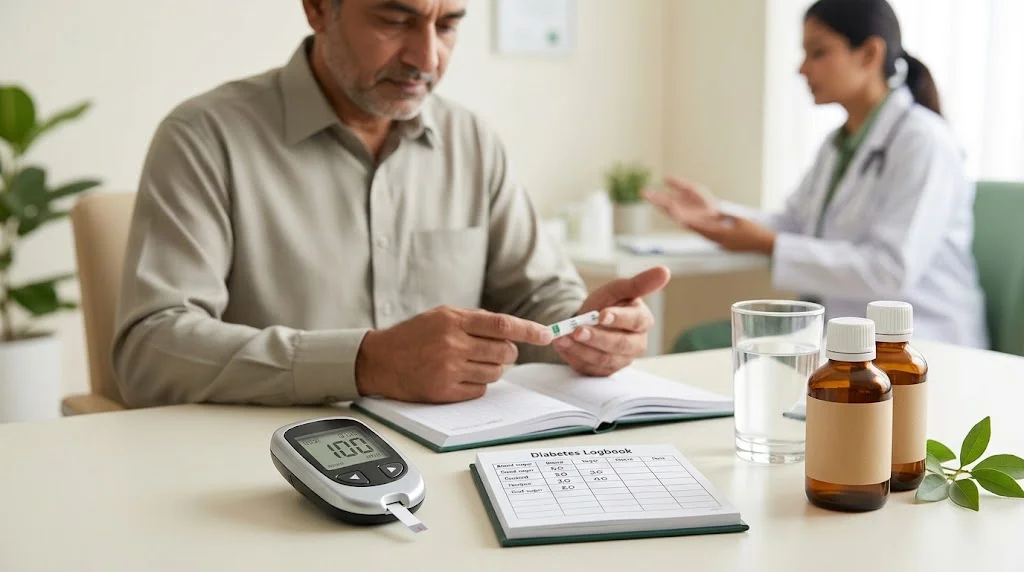
Diabetes has become one of the most common chronic health concerns in Pakistan, affecting millions of people across cities and rural areas alike. Managing blood sugar levels day after day — through diet, medication, and lifestyle changes — can feel overwhelming, which leads many patients to explore additional, complementary options. This has made homeopathic medicine for diabetes a frequently searched topic, used by some patients alongside their prescribed treatment rather than as a replacement for it. This guide explains what diabetes is, what role homeopathy may realistically play, and what thoughtful sugar control homeopathy Pakistan patients can consider actually looks like — along with why ongoing medical supervision remains essential. For a remedy-by-remedy overview, see our guide to the best homeopathic remedies to manage diabetes.
What Is Diabetes?
Diabetes is a chronic condition in which the body either does not produce enough insulin (Type 1 diabetes) or does not use insulin effectively (Type 2 diabetes), leading to elevated blood sugar levels. Type 2 diabetes is the most common form in Pakistan and is often linked to lifestyle and metabolic factors, while Type 1 diabetes is an autoimmune condition typically diagnosed earlier in life. Gestational diabetes can also occur during pregnancy and requires its own careful monitoring. Left unmanaged, diabetes can affect the eyes, kidneys, nerves, and heart over time, which is why consistent management matters.
Common Risk Factors for Diabetes in Pakistan
Several factors are commonly associated with Type 2 diabetes risk:
- Family history — a parent or sibling with diabetes increases personal risk.
- Being overweight or obese — particularly with excess abdominal fat.
- Sedentary lifestyle — limited physical activity is a well-recognized contributing factor.
- Diet high in refined carbohydrates and sugar — common in many urban Pakistani diets.
- Age — risk increases after the age of 40, though younger cases are increasingly seen.
- Gestational diabetes history — women who had diabetes during pregnancy face a higher future risk.
Common Symptoms of Diabetes
Typical symptoms include increased thirst, frequent urination, unexplained fatigue, blurred vision, slow-healing wounds, and unintended weight loss. Many people with Type 2 diabetes have few or no noticeable symptoms in the early stages, which is why routine blood sugar screening is important, particularly for those with known risk factors.
Homeopathic Medicine for Diabetes: What Role Can It Play?
Homeopathy does not position itself as a cure for diabetes or a substitute for insulin or prescribed diabetes medication. Instead, some patients explore homeopathic medicine for diabetes as a complementary, supportive approach — considering their overall constitution, associated symptoms such as fatigue or sleep disturbance, and lifestyle factors, alongside their standard medical treatment. This individualized approach is part of why homeopathic remedies in this context are generally described as supportive rather than primary treatment, with any changes in symptoms typically building gradually and requiring ongoing monitoring of blood sugar levels by a doctor.
Commonly Used Homeopathic Remedies Associated with Diabetes Support
Several remedies are traditionally associated with diabetes-related symptom support. These are shared for general educational awareness only, and should not be treated as a self-prescription guide or a substitute for prescribed diabetes medication:
- Syzygium Jambolanum — one of the most commonly referenced remedies in homeopathic literature related to diabetes support.
- Uranium Nitricum — traditionally associated with general metabolic and digestive support in diabetes-related discussions.
- Phosphoric Acid — sometimes considered for fatigue and weakness associated with diabetes.
- Phosphorus — traditionally associated with supporting general vitality in some diabetes-related contexts.
- Lycopodium — often considered for digestive discomfort and bloating that some diabetic patients experience (more in our guide to homeopathic solutions for digestive health
The right remedy, potency, and duration depend on each person’s specific symptom pattern and should only be decided in consultation with a qualified homeopathic physician who is aware of the person’s full diabetes management plan, including any prescribed medication or insulin.

Warsan No. 33 (Syzygium)
Warsan Homoeopathic · Warsan No. Series
Explore Warsan No. 33 (Syzygium), the first remedy mentioned in this guide, and use it only as a complement to your doctor’s prescribed diabetes treatment.
A Practical Example
Consider a hypothetical example: a 50-year-old shopkeeper in Rawalpindi, recently diagnosed with Type 2 diabetes, is following his doctor’s prescribed medication and diet plan but feels persistently fatigued and wants additional, natural support. A more considered approach would involve continuing his prescribed treatment without interruption, discussing his interest in homeopathy openly with his doctor, and consulting a qualified homeopath who understands that any remedy would be complementary to his existing care rather than a replacement for it. This illustrative scenario reflects the kind of holistic thinking homeopathy typically applies — it is not a real patient case.
Lifestyle Habits That Support Sugar Control Homeopathy Pakistan Patients Often Combine With Treatment
Alongside any homeopathic remedy, several lifestyle measures are widely recognized as important for blood sugar management:
- Follow a balanced, portion-controlled diet — with attention to refined carbohydrates and sugar intake.
- Stay physically active — regular walking or exercise, as advised by a doctor, supports insulin sensitivity.
- Monitor blood sugar regularly — consistent testing helps track how diet, activity, and any treatment are affecting levels.
- Maintain a healthy weight — gradual, sustainable weight management can meaningfully improve blood sugar control.
- Prioritize sleep and stress management — both can influence blood sugar levels.
- Attend regular medical check-ups — to monitor for complications affecting the eyes, kidneys, and nerves.
Precautions and Safe Use
Because Warsan operates in the healthcare sector, and diabetes is a serious chronic condition, it’s important to be clear about the limits of any treatment claim:
- No homeopathic remedy can cure diabetes, replace insulin, or guarantee blood sugar control for every individual.
- Never stop or reduce prescribed diabetes medication or insulin without your doctor’s explicit guidance, even while exploring complementary approaches.
- Self-medicating with higher potencies without professional guidance is not advisable.
- Diabetes requires regular blood sugar monitoring and periodic medical check-ups regardless of any complementary treatment being used.
- Always check that any product carries proper labelling, batch details, and manufacturing information before purchase.
When to Seek Immediate Medical Attention
Certain signs in a person with diabetes call for urgent medical attention rather than home or complementary care alone. These include symptoms of very high blood sugar such as confusion, excessive thirst with vomiting, or fruity-smelling breath, and symptoms of very low blood sugar such as shakiness, sweating, confusion, or loss of consciousness. Non-healing wounds, sudden vision changes, or signs of infection in a diabetic patient should also be evaluated by a doctor promptly, as diabetes can affect the body’s ability to heal and fight infection.
Quality and Manufacturing You Can Trust
When considering any homeopathic medicine for diabetes as a complementary option, Pakistani patients should look for manufacturers with verifiable quality assurance standards. Warsan Homoeopathic is an ISO 9001:2015 and GMP-certified manufacturer with over two decades of experience producing homeopathic medicines for the Pakistani and export markets, including a dedicated range of products for general health support. Products are developed following standardized homeopathic pharmacopoeias, with attention to raw material quality and manufacturing consistency — factors that matter when choosing any natural remedy.
Conclusion
Diabetes is a serious, lifelong condition that affects a growing number of people in Pakistan, and managing it well requires consistent medical care, monitoring, and lifestyle attention. Homeopathy may be explored by some patients as a gentle, complementary approach alongside their prescribed treatment, but it should never replace insulin, diabetes medication, or regular medical supervision. As with any chronic health concern, combining professional guidance, quality-assured products, and supportive daily habits offers the most balanced path forward. If blood sugar levels are poorly controlled or symptoms worsen, consulting your doctor remains the safest and most important step.