



If you’ve been hearing about moringa for months — from a neighbour’s health tips, a Lahore pharmacy counter, or a health page online — and you’re now trying to figure out whether the homeopathic tablet form is actually worth taking, you’re not alone. Most people searching for moringa homeopathic benefits Pakistan want a straight answer: what does moringa actually do, how is it different as a homeopathic tablet compared to a regular herbal capsule, and is it safe for someone already on medication? This guide answers all three, along with correct dosage, possible side effects, and how to choose a product you can trust.
This combination is why moringa is often described as a natural multivitamin source rather than a single-nutrient supplement — it’s the breadth of the profile, not one standout ingredient, that people are drawn to.
What Is Moringa and Why Is It Used in Homeopathy?
Moringa (Moringa Oleifera), commonly called the “drumstick tree” or “sohanjna” in Pakistan, is a fast-growing tree whose leaves, pods, and seeds have been used in South Asian households for generations — added to daily meals, brewed as tea, or dried into powder. Its reputation as a nutrient-dense plant comes from real botanical data: the leaves carry a broad spread of vitamins, minerals, plant protein, and antioxidant compounds in a single, easily digestible source. To understand where moringa fits, it helps to know how homeopathy works as a system in the first place — it’s built on gentle, individualized support rather than aggressive treatment, which is exactly the philosophy moringa preparations follow. In homeopathy, moringa is typically prepared either as a mother tincture (an alcohol-based extract used in small diluted doses) or, more commonly today, as a standardized tablet or capsule supplement that delivers a consistent daily amount of the dried leaf extract. This tablet route is what most people mean when they search for moringa tablets uses dosage side effects — it’s the practical, everyday way moringa is taken rather than the classical single-remedy dilution homeopaths sometimes use for individualized prescribing. It’s worth being clear from the outset: moringa in this context is used as a nutritional and constitutional support, not as a cure for any diagnosed disease. It works alongside a balanced diet and, where relevant, alongside doctor-prescribed treatment — not instead of it. This is one of the reasons moringa homeopathic benefits Pakistan searches have grown steadily — people want a gentle, food-based supplement they can add to daily life without the harsher effects sometimes associated with synthetic multivitamins. Moringa also fits naturally into Pakistani dietary habits. Sohanjna pods and leaves already appear in home cooking in parts of Punjab and Sindh, particularly during summer months when the tree is in season. A standardized tablet simply makes that same nutrient profile available all year round, in a measured dose, without depending on the pods being fresh, in season, or locally available in cities like Karachi, Rawalpindi, or Multan.The Nutritional and Therapeutic Profile of Moringa
What makes moringa stand out is the range of nutrients concentrated in its leaves. A simple reference table makes this easier to follow:| Nutrient Group | Found In Moringa | What It May Support |
| Vitamins A, C, E | Leaf powder/extract | Immune function, skin health, antioxidant defence |
| Iron & Calcium | Leaf powder/extract | Blood health, bone and teeth strength |
| Potassium & Magnesium | Leaf powder/extract | Muscle function, general energy metabolism |
| Essential Amino Acids | Leaf protein | Tissue repair, everyday protein intake |
| Polyphenols & Flavonoids | Leaf extract | Antioxidant action against oxidative stress |
Moringa Homeopathic Benefits Pakistan Readers Search For Most
Everyday Energy and Fatigue Support
Many people first try moringa tablets because of persistent low energy — the kind that isn’t due to illness but to a demanding routine, irregular meals, or mild nutrient gaps. Consider an office worker in Lahore who spends long hours at a desk, skips breakfast on rushed mornings, and feels drained by mid-afternoon. Adding a moringa tablet to a morning routine, alongside better meal timing, is a common and reasonable way people use it to support sustained energy rather than the short-lived lift of caffeine.Immune and General Wellness Support
The vitamin C and antioxidant content in moringa is commonly associated with general immune support, particularly during Pakistan’s seasonal changes when colds and fatigue are common complaints. For broader everyday complaints beyond what moringa alone covers, Warsan’s homeopathic remedies for general diseases range is worth exploring alongside it.Bone, Teeth, and Growth Support
Because moringa carries calcium and supporting minerals, it’s often included in family wellness routines — including for growing children and for adults concerned about bone density — as a dietary addition rather than a treatment for a diagnosed bone condition.Blood Sugar Awareness
Some research on moringa leaf extract has looked at its possible role in supporting healthy blood sugar levels as part of an overall diet, largely attributed to specific plant compounds in the leaves. This is interesting from a wellness standpoint, but it’s also precisely why anyone already managing diabetes needs to be cautious about adding moringa on top of existing medication without medical input — more on that in the safety section below.Skin, Hair, and Antioxidant Support
The antioxidant compounds in moringa are frequently cited for their role in fighting everyday oxidative stress, which is often reflected in skin and hair vitality over time. For someone dealing with dull skin or brittle hair linked to nutrient gaps rather than a medical condition, a moringa tablet is often used as a supportive addition to diet, alongside adequate water intake and sleep — not a standalone fix.Digestive Comfort and General Vitality
Because moringa leaves contain fibre along with their vitamin and mineral content, some people also use moringa tablets to support regular digestion as part of a broader wellness routine, particularly when paired with a fibre-conscious diet. This is a gentler, secondary benefit compared to its more commonly searched uses for energy and immunity.How to Take Moringa Tablets: Dosage and Usage Guide
This is the part most searchers actually want clarity on, since correct moringa tablets uses dosage side effects information isn’t always easy to find in plain language.- Typical adult dosage: Most standardized moringa tablet or capsule products are taken once or twice daily, generally with a meal, following the specific product’s label instructions.
- Best time to take it: With breakfast or lunch is commonly preferred, since taking it with food supports better absorption and reduces the small chance of stomach discomfort on an empty stomach.
- Consistency matters more than large doses: Because moringa works as a nutritional support rather than a fast-acting remedy, benefits are generally noticed with regular daily use over several weeks — not from occasional or doubled-up doses.
- Do not exceed the labelled dose: More is not better with any concentrated herbal or homeopathic supplement; sticking to the recommended amount on the pack is important.
- Homeopathic mother tincture dosing differs: If you’re using a classical mother tincture rather than a tablet, dosing is typically a small number of drops in water, and this is best guided by a qualified homeopath rather than self-adjusted.
Possible Side Effects and Who Should Be Cautious
Moringa is generally well tolerated when taken at recommended doses, but it isn’t automatically risk-free for everyone. Mild side effects some people report include stomach upset, nausea, or loose motions, usually when taken on an empty stomach or in excess of the labelled amount. More importantly, because moringa may influence blood sugar and blood pressure levels, the following groups should speak with a doctor or a qualified homeopath before starting moringa tablets:- Women who are pregnant or breastfeeding
- Anyone currently on diabetes medication or insulin
- Anyone on blood-pressure medication
- People managing any other chronic condition or taking regular prescription medicine
- Parents considering moringa for a child, before adjusting dose or frequency
How to Choose a Quality Moringa Product in Pakistan
With so many moringa products now available in Pakistani pharmacies and online, quality varies more than people expect, and this is really where genuine moringa homeopathic benefits Pakistan consumers are looking for actually begin. A few practical checks help:- Look for proper certification — manufacturing under ISO & GMP certified manufacturing standards is a meaningful indicator of consistent quality control, not just a label.
- Check the manufacturer’s track record — a company with a long, established history in homeopathic or herbal manufacturing has more accountability behind its formulations, since reputational trust is built over years of consistent product performance.
- Verify batch and expiry details — genuine products always carry clear manufacturing and expiry dates printed on the pack, not just a sticker that can be reprinted.
- Avoid products with no listed ingredients or dosage guidance — transparency about what’s in the tablet, and how much to take, is a basic quality signal that a serious manufacturer will always provide.
- Buy from the manufacturer or an authorized seller — this reduces the risk of counterfeit or poorly stored stock, which is a genuine concern with herbal supplements sold through informal channels.
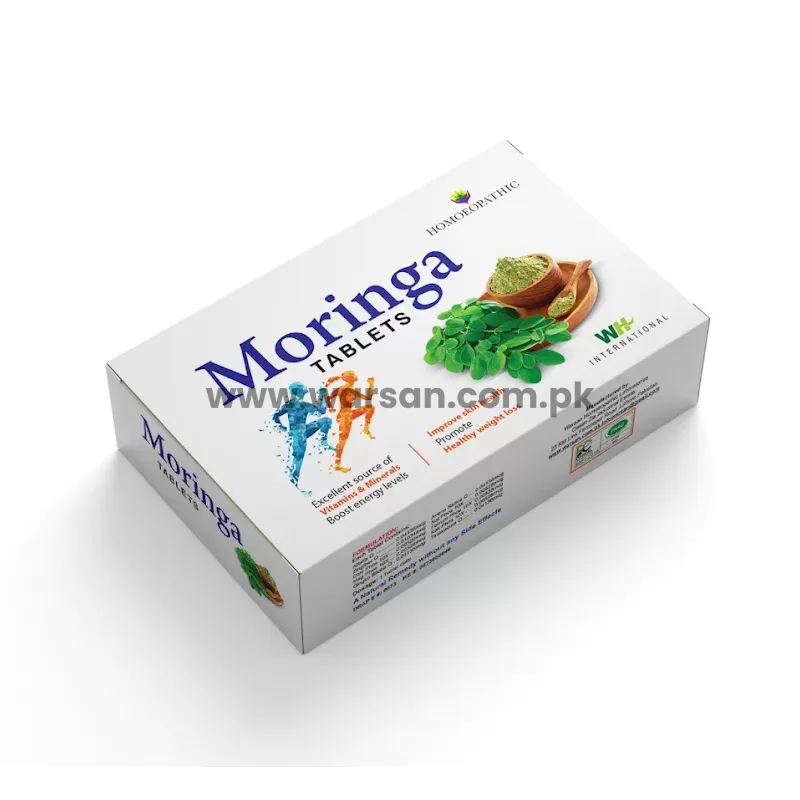
Warsan Moringa Tablets
Warsan Homeopathic · Herbal Products
Explore Warsan Moringa Tablets and learn more about the product, ingredients, recommended use, and dosage before use.
View Product