



Mealtime battles are one of the most common frustrations Pakistani parents share — a child who pushes food around the plate, refuses vegetables, or simply isn’t interested in eating enough. This has led many families to look for a homeopathic appetite booster for children Pakistan parents can use as a gentle, natural option alongside good feeding habits. This guide explains why children go through fussy-eating phases, how homeopathy approaches poor appetite, and what safe, realistic support actually looks like.
 This individualized approach is part of why homeopathic remedies for children are often described as gentle, making them a commonly chosen option by parents looking for a natural approach — though, as with any treatment, responses vary between children.
Why Do Children Become Fussy Eaters?
Fussy or picky eating is extremely common in childhood, particularly between ages 2 and 6, and is usually a normal part of development rather than a sign that something is seriously wrong. Toddlers are asserting independence, becoming more sensitive to taste and texture, and naturally slowing their growth rate compared to infancy — which often reduces how hungry they feel. For most children, fussy eating comes and goes in phases. It becomes more of a concern when it’s persistent, affects weight gain or energy levels, or is accompanied by other symptoms like poor digestion or general listlessness.Common Signs of Poor Appetite in Children
Parents often notice one or more of the following patterns:- Eating very small portions or skipping meals altogether
- Strong preferences for a narrow range of foods
- Taking a long time to eat, or losing interest quickly
- Low energy or reduced playfulness around mealtimes
- Slower weight gain than expected for their age
What Causes Poor Appetite in Kids?
Several factors can contribute to reduced appetite or fussy eating in children:- Normal developmental slowdown — growth rate naturally slows after infancy, which reduces calorie needs and hunger cues.
- Digestive discomfort — indigestion, mild constipation, or an upset stomach can make a child reluctant to eat.
- Recent illness — appetite often dips after a cold, fever, or infection and can take time to recover.
- Sensory sensitivities — some children are simply more particular about taste, texture, or smell.
- Snacking patterns — frequent snacking or sugary drinks close to mealtimes can reduce hunger at meals.
- Underlying nutritional gaps — in some cases, low iron or other deficiencies can contribute to reduced appetite and should be checked by a doctor if poor eating is persistent.
The Homeopathic Approach to a Child’s Appetite
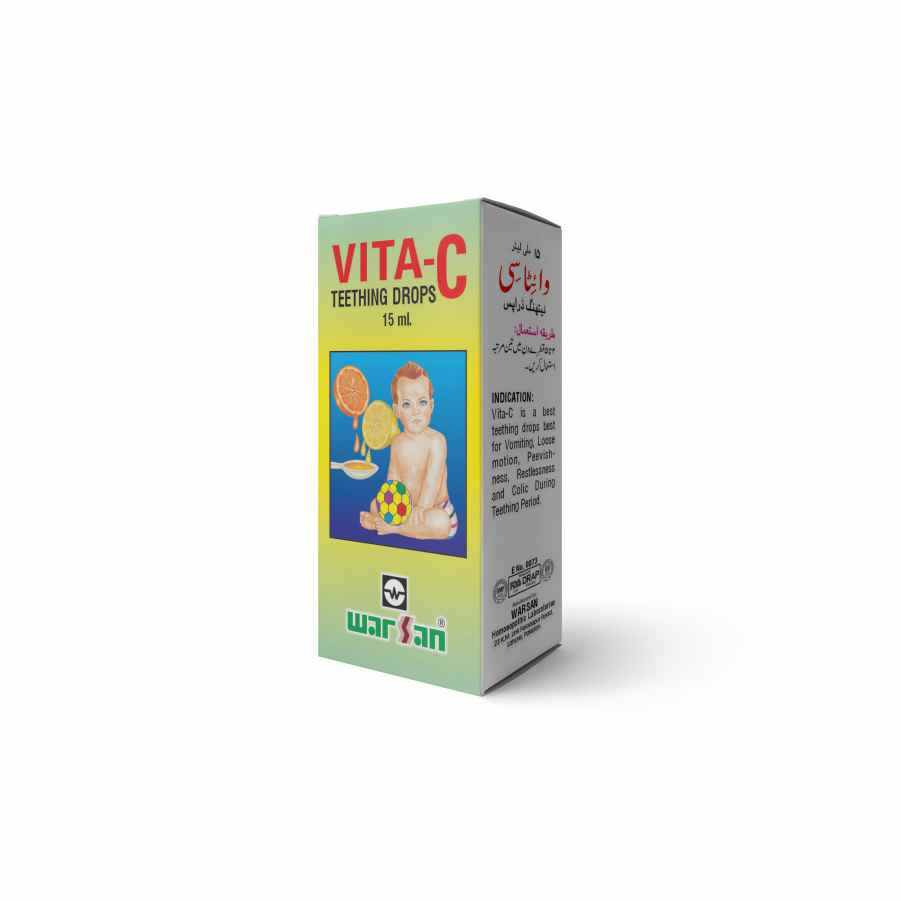
Homeopathy doesn’t treat poor appetite as one uniform problem with a single fix. It considers a child’s overall constitution, digestion, and specific eating pattern before selecting a remedy. To understand how homeopathy works as a system, it helps to know that it follows individualized, symptom-based prescribing rather than a single formula for every child.Warsan Vita-C Drops 15ml
Warsan Homoeopathic Laboratories
Explore Warsan Vita-C Drops 15ml and learn more about the product, recommended use, and dosage before use.
VIEW PRODUCTCommonly Used Homeopathic Remedies and a Poor Appetite Syrup for Kids
Several homeopathic remedies are traditionally associated with poor appetite in children. These are shared here for general educational awareness only, and should not be treated as a self-prescription guide:- Alfalfa — a widely used general tonic traditionally associated with supporting appetite and overall nourishment in children.
- Calcarea Phosphorica — often considered for children who are slow to gain weight and show a general lack of interest in food.
- China (Cinchona Officinalis) — traditionally used where poor appetite follows an illness or period of weakness.
- Lycopodium Clavatum — sometimes used where a child feels full very quickly despite eating little.
- Chelidonium Majus — occasionally considered where sluggish digestion appears linked to reduced appetite.
A Practical Example
Consider a hypothetical example: a mother in Lahore has a 4-year-old who has become increasingly fussy over the past two months, eating only a handful of foods and showing little interest at mealtimes. Rather than turning every meal into a battle, a more considered approach would involve ruling out any digestive or nutritional cause with a pediatrician, offering smaller, more frequent meals without pressure, and exploring a homeopathic remedy suited to the child’s specific pattern under professional guidance. This illustrative scenario reflects the kind of holistic thinking homeopathy typically applies — it is not a real patient case.Precautions and Safe Use
Because Warsan operates in the healthcare sector, it’s important to be clear about the limits of any treatment claim:- No homeopathic remedy can guarantee that a child will eat more or gain weight, since appetite depends on many individual factors.
- Any product intended for infants or young children should only be used according to the label or a doctor’s guidance, with attention to correct age-appropriate dosing.
- Persistent poor appetite, noticeable weight loss, or signs of illness should be evaluated by a pediatrician rather than managed with home remedies alone.
- Homeopathic treatment should be seen as a complementary, natural option — not a replacement for medical evaluation when appetite loss is significant or prolonged.
- Always check that any product carries proper labelling, batch details, and manufacturing information before purchase.
Feeding Tips That Support a Natural Appetite Booster Approach
Alongside any homeopathic remedy, everyday feeding habits make a real difference:- Keep meals pressure-free — forcing a child to eat often backfires and increases mealtime resistance.
- Offer small, frequent meals — large portions can feel overwhelming to a fussy eater.
- Limit snacking and sugary drinks — these can blunt appetite before main meals.
- Involve children in food choices — letting them help pick or prepare simple meals can increase interest in eating.
- Stay consistent — offering the same rejected food again, without pressure, over time increases the chance a child will eventually try it.
- Combine with a poor appetite syrup for kids where appropriate — pairing homeopathic support with these habits tends to work better than relying on either alone.