


Many people who choose homeopathic remedies in Pakistan ask the same practical question: how many drops, or how many tablets, should actually be taken, and at what time of day? This homeopathic medicine dosage guide Pakistan readers can rely on explains the general conventions used across mother tinctures sold in dropper bottles, small sugar-based tablets, and children’s syrups. No two products are identical, so the printed label on your specific medicine, or the advice of a qualified homeopath, should always be treated as the final word. This guide simply lays out the widely followed principles so that a Warsan homeopathic medicine is used correctly and consistently.
Homeopathy works on the principle of using highly diluted natural substances to gently support the body’s own response to illness, and dosage in this system is deliberately different from conventional medicine. Rather than a large single dose, homeopathic treatment usually relies on smaller, more frequent doses of a correctly matched remedy. Understanding this philosophy makes it easier to see why a homeopathic medicine dosage guide Pakistan households can trust focuses less on maximum strength and more on consistency, correct timing, and following the product label closely.
Understanding Potency and How Dosage Works
Homeopathic remedies are labelled with a potency, commonly shown as numbers and letters such as 6C, 30C, or 200C, which describes how many times the original substance has been diluted and succussed during manufacturing. As a general rule followed across the homeopathic field, lower potencies are often used more frequently for everyday, milder complaints, while higher potencies tend to be used less often and are more commonly guided by a registered homeopath rather than self-selected. Warsan products state their potency and recommended use directly on the packaging, and this printed information should be the primary reference for how a specific remedy is dosed, rather than assuming one potency behaves the same as another.How to Read the Dosage Instructions on a Warsan Product Label
Before taking any homeopathic medicine, it helps to slow down and read the label fully rather than relying on memory from a previous purchase. A typical Warsan label will indicate the product form, the potency, the suggested number of drops or tablets, how many times a day it should be taken, the recommended age group, and any storage instructions. Consumers are encouraged to check the Warsan Homeopathic logo, batch number, manufacturing date, and expiry date on the packaging before use, as these details confirm that the product is genuine and still within its effective shelf life. If any instruction on the label seems unclear, a pharmacist, the product page on the Warsan website, or a registered homeopath can clarify it before the medicine is used.What Determines the Right Dosage?
Homeopathic dosing is not calculated by body weight or a fixed milligram formula in the way conventional pharmaceuticals are measured. Instead, several practical factors typically guide how much of a remedy is taken and how often it is repeated:- The form of the product, whether it is a liquid dilution, a tablet, or a syrup
- The potency or strength printed on the label
- The age of the person taking the medicine
- The nature and duration of the symptom being addressed
- Specific directions from the manufacturer or a registered homeopath
How Many Drops of Homeopathic Medicine Should You Take?
This is one of the most common questions asked by first-time users, and it sits at the heart of how many drops tablets homeopathic medicine should be measured out for daily use. Homeopathic drops are usually mother tinctures or liquid dilutions dispensed through a dropper built into the cap. A general convention followed across much of the homeopathic industry is:- Adults typically take around 5 to 10 drops, mixed into a small amount of water
- Children are usually given a smaller number of drops, following the packaging instructions or a homeopath’s advice
- Most drops-based remedies are taken two to three times a day, with acute situations sometimes calling for slightly more frequent, smaller doses at the start before tapering off
How Many Tablets Should You Take?
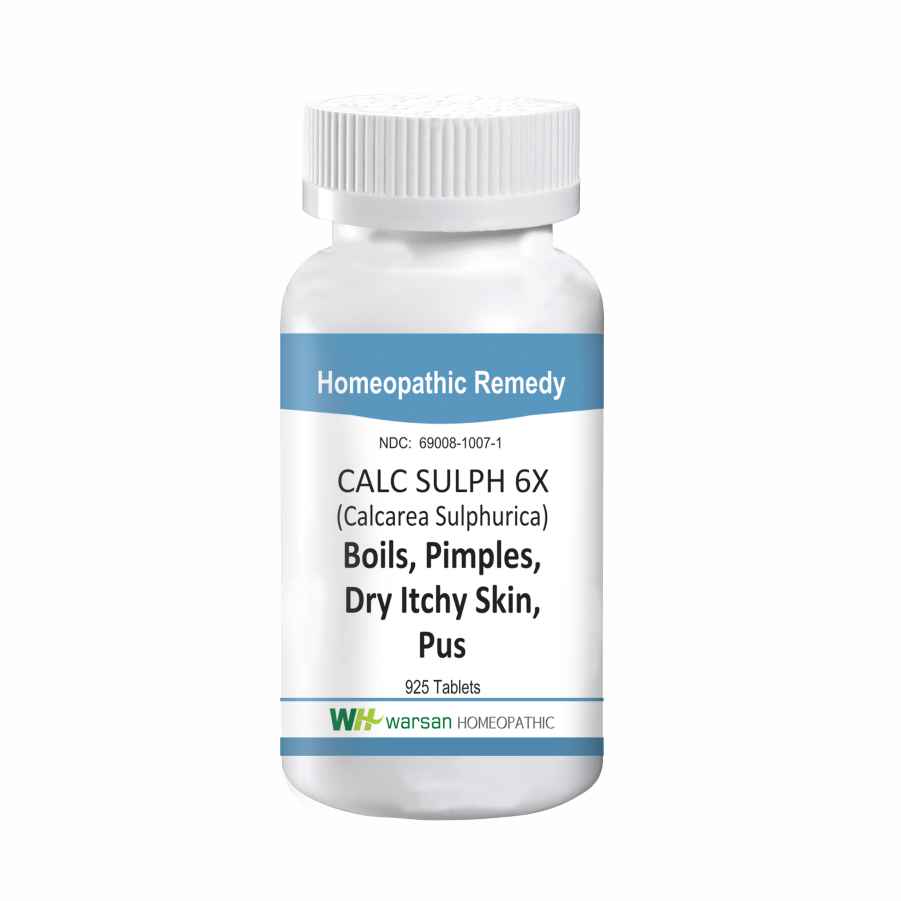
Homeopathic tablets are typically small, sucrose-based pellets medicated with the chosen remedy. Across most Warsan tablet ranges, the commonly followed pattern is:- Adults generally take 2 to 4 tablets per dose
- Children are usually given 1 to 2 tablets, or the amount stated on child-specific packaging
- Two to three doses a day is typical, often reduced once symptoms begin to settle
Calcarea Phosphorica
Warsan Calcarea Phosphorica is a homeopathic remedy available in the Warsan product range. Check the product label for its potency, recommended dosage, directions for use, and precautions before taking it.
View ProductSyrups and Liquid Formulations for Children
Warsan’s syrup range is usually dosed with a measuring spoon or cup and is generally broken down by age group on the printed dosage chart. As with drops and tablets, the age-specific chart on the syrup carton should be the primary reference, and the measuring cap or spoon supplied with the product should be used rather than an ordinary kitchen spoon, which can lead to inconsistent dosing.When Is the Best Time to Take Homeopathic Medicine?
Timing is treated as seriously as quantity in homeopathic practice. Commonly followed habits include:- Taking the remedy on a relatively empty mouth and stomach, generally around 30 minutes before or after eating, drinking, brushing teeth, or consuming strongly flavoured items such as coffee, mint, or tobacco, since strong tastes are traditionally thought to interfere with how the remedy is perceived
- Avoiding unnecessary handling of tablets or drops with bare hands
- Storing the medicine away from direct sunlight, strong-smelling substances, and excessive heat, as noted on most homeopathic packaging
Dosage Considerations for Children, Elderly, and Pregnant or Nursing Women
Certain groups call for extra care when it comes to homeopathic dosage:- Children should generally only be given products formulated for their age group, dosed according to the chart on the packaging, and ideally under the guidance of a paediatrician or registered homeopath for anything beyond mild, everyday complaints
- Elderly individuals can usually follow standard adult dosing unless they are managing other health conditions or taking other medication, in which case a doctor’s input is advisable
- Pregnant and breastfeeding women should consult a qualified doctor or homeopath before starting any new remedy, even a homeopathic one, so that it can be reviewed alongside their overall health picture
Common Dosage Mistakes to Avoid
A few habits tend to reduce how effectively a homeopathic remedy is used:- Assuming that a larger dose will bring faster relief, when in fact the general homeopathic convention favours consistency over quantity
- Skipping the printed label instructions in favour of a dose remembered from a different product
- Continuing to use medicine well past its printed expiry date
- Storing bottles near strong-smelling household items such as perfume, spices, or cleaning products
- Giving a child an adult-formulated product simply because a children’s pack is not on hand
- Combining several remedies at once without guidance from a homeopath, which can make it difficult to judge what is actually helping