



Nicotine is a fast-acting, highly addictive substance, and the body adapts to regular exposure within days of starting. When intake stops, most smokers experience a cluster of withdrawal symptoms: irritability, anxiety, difficulty concentrating, increased appetite, disrupted sleep, and intense cravings that can appear suddenly and pass within minutes. Pakistan has one of the higher smoking populations in the region, with cigarette smoking remaining a leading, preventable cause of illness nationally. According to WHO tobacco data for Pakistan, millions of adults continue to smoke despite the well-documented health risks, which is part of why homeopathic support has become one option many smokers explore alongside conventional cessation methods. Understanding why cravings happen — as a temporary chemical and psychological response rather than a permanent state — is often the first step toward managing them successfully, whichever method a person chooses.
Public health data suggests tobacco use affects tens of millions of adults across Pakistan, with cigarette smoking specifically linked to a substantial share of preventable illness and death nationally each year. This scale is part of why interest in gentler, complementary approaches — alongside established cessation methods — has grown among Pakistani smokers looking for a more comfortable path through the withdrawal period, rather than facing it with willpower alone.
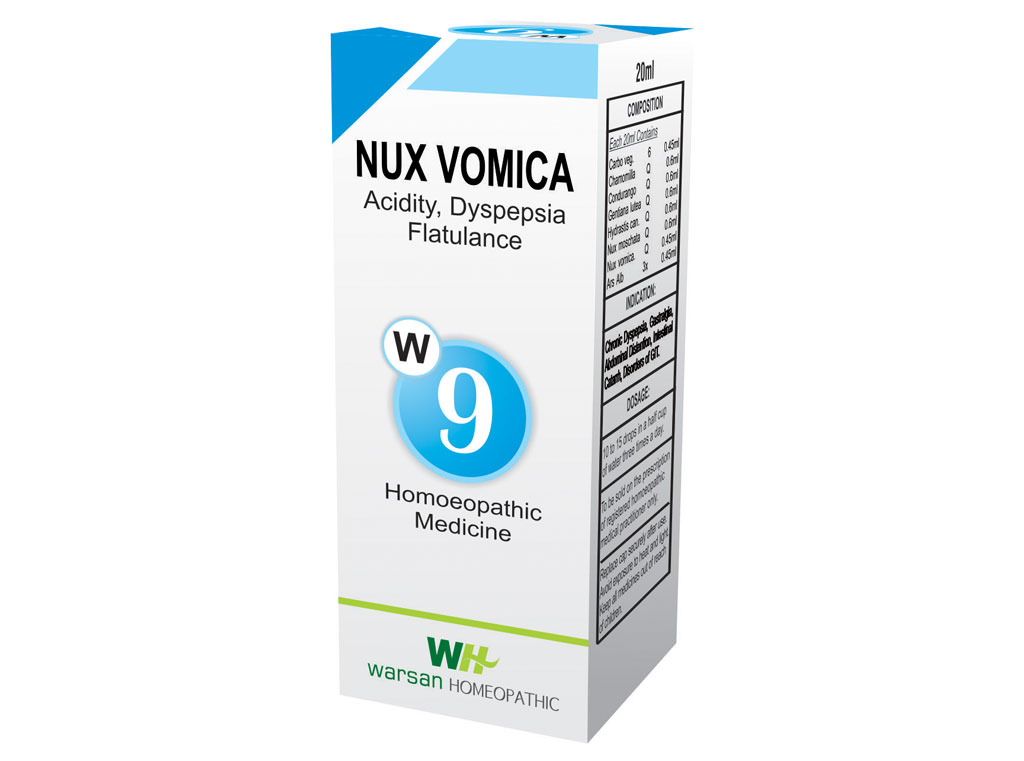
Warsan produces Warsan No. 9 (Nux Vomica), Warsan No. 17 (Valeriana Officinalis), and Warsan No. 20 (Passiflora) within its Warsan-No range, alongside its wider Brain Health & Neurological Diseases product line. It’s worth being clear that these remedies are formulated for the general symptom patterns listed above — nervous irritability, restlessness, disrupted sleep — rather than being marketed specifically as smoking-cessation products, so matching the right remedy to your actual symptoms matters more than picking one because it appears on a “quit smoking” list.
Because each of these remedies addresses a different symptom pattern, two people quitting smoking at the same time may end up choosing different remedies depending on whether their main struggle is irritability, sleeplessness, or general nervous tension. This individualized matching is a core feature of classical homeopathy and is best done with guidance from a qualified homeopath rather than by self-selecting from a symptom table alone.
Homeopathic Medicine to Quit Smoking Pakistan Families Are Exploring: How It Works
Homeopathy doesn’t treat nicotine addiction as a single fixed problem with one universal remedy. To understand why, it helps to know how homeopathy worksas a system — instead, it looks at the specific pattern of symptoms a person experiences while quitting — their irritability, restlessness, sleep disturbance, or digestive upset — and matches remedies to that individual pattern. This is part of why classical homeopathic support is often described as working alongside, rather than replacing, a person’s own quit plan. As a complementary approach, homeopathic remedies are generally used to ease the discomfort of withdrawal — irritability, restlessness, disrupted sleep — rather than to directly counter nicotine’s chemical effect on the body. This distinction matters: no homeopathic remedy has been shown to eliminate nicotine dependency on its own, and it should be understood as supportive care during a quit attempt, not a stand-alone cure for addiction. Anyone considering homeopathic medicine to quit smoking Pakistan pharmacies stock should approach it with this same realistic framing — as one supportive tool among several, chosen and matched to the individual’s actual symptoms rather than picked off a generic list. A homeopath assessing someone for smoking cessation support will typically ask about sleep quality, temperament, digestion, and stress levels, since these details shape which remedy is likely to be genuinely useful for that person.Common Homeopathic Remedies Associated with Quitting Smoking
Several classical homeopathic remedies are traditionally associated with the symptoms that accompany smoking cessation, based on the specific discomfort they’re known to address:| Remedy | Typically Associated With |
| Nux Vomica | Irritability, oversensitivity, and digestive upset often seen in people cutting back on stimulants like tobacco, caffeine, or alcohol |
| Valeriana Officinalis (Valerian) | Nervous restlessness and disrupted sleep, common during the first stressful days of quitting |
| Passiflora | General nervous tension and difficulty settling down, often used to support calm during stressful periods |
| Avena Sativa | Traditionally used to support nervous exhaustion and general recovery during habit-breaking efforts |
Warsan No. 9 Nux Vomica
Warsan Homeopathic · Herbal Products
Explore Warsan No. 9 Nux Vomica and learn more about the product, ingredients, recommended use, and dosage before use.
View ProductNatural De-Addiction Remedy Support for Nicotine Cravings: What to Expect
People searching for a natural de-addiction remedy nicotine craving solution often want a realistic sense of what homeopathic support can and can’t do. This is a genuinely reasonable thing to research before starting, since setting the right expectations upfront tends to make the quit process feel less discouraging if progress is gradual rather than immediate:- It won’t eliminate cravings instantly. Homeopathic remedies are generally described as working gradually, easing the discomfort of withdrawal symptoms rather than switching off the urge to smoke.
- Consistency matters. Remedies are typically taken regularly over the first weeks of quitting — the period when withdrawal symptoms are strongest — rather than only during an active craving.
- It works best as one part of a broader quit plan. Combining homeopathic support with practical strategies (see below) tends to produce a more manageable experience than relying on any single method alone.
- Results vary between individuals. Response to any quit-smoking approach, homeopathic or otherwise, differs from person to person, and no method guarantees success for everyone.
Practical Strategies to Support a Quit Attempt
Alongside any remedy, a few practical habits consistently help people manage cravings during the early weeks of quitting. Combining these with a natural de-addiction remedy nicotine craving approach tends to give a more rounded quit strategy than relying on willpower or a remedy alone:- Identify your triggers — many smokers associate cigarettes with specific moments (after meals, with tea, during stress) and planning around these moments in advance reduces automatic reaching for a cigarette.
- Keep hands and mouth occupied — chewing gum, sunflower seeds, or a stress ball can redirect the physical habit of smoking.
- Use the “delay and distract” method — cravings typically peak and pass within a few minutes, so delaying by even five minutes with a short walk or a glass of water often lets the urge subside.
- Stay hydrated and keep regular meals — blood sugar dips can intensify irritability and cravings.
- Get support from family or friends — telling people close to you about your quit attempt, even a small circle, adds a layer of accountability that many smokers find genuinely helpful during difficult moments.
- Track your progress — noting smoke-free days, money saved, or symptom changes gives many people a tangible sense of momentum.
Common Mistakes People Make When Trying to Quit
A few patterns tend to derail quit attempts more often than the cravings themselves:- Quitting without any plan — deciding to stop smoking on impulse, without identifying triggers or preparing coping strategies in advance, often leads to an early relapse when the first strong craving hits.
- Expecting an instant fix from any single method — whether it’s a homeopathic remedy, nicotine gum, or willpower alone, treating one tool as a guaranteed solution tends to set up disappointment rather than realistic progress.
- Underestimating trigger situations — social settings where others are smoking, or stressful moments at work, catch many people off guard if they haven’t planned a response in advance.
- Giving up after a single lapse — one cigarette during a quit attempt doesn’t erase the progress made; treating a lapse as a learning moment rather than total failure improves the odds of eventually succeeding.
- Not seeking support when it’s genuinely needed — trying to manage severe withdrawal symptoms entirely alone, when a doctor or support service could help, often makes the process harder than it needs to be.
Safety Considerations and When to See a Doctor
Quitting smoking is a genuinely significant health decision, and a few precautions are worth taking seriously before relying on any homeopathic medicine to quit smoking as a first-line strategy:- Nicotine withdrawal can occasionally involve intense mood changes, including low mood or anxiety that feels difficult to manage. If this happens, speak with a doctor rather than relying on home remedies alone.
- People with a diagnosed mental health condition, cardiovascular disease, or who are pregnant should discuss any quit-smoking plan — homeopathic, nicotine replacement, or otherwise — with a doctor before starting.
- Homeopathic remedies for nicotine cravings are not a substitute for evidence-based smoking cessation support, including nicotine replacement therapy or counselling, where a doctor recommends these.
- If cravings or withdrawal symptoms feel unmanageable, or if quitting triggers significant distress, professional support from a doctor or a smoking cessation service is the safer path rather than continuing to self-manage alone.
- Always follow the product label for correct dosing, and avoid combining multiple remedies without guidance from a qualified homeopath.
Choosing a Quality Homeopathic Product in Pakistan
Since quitting smoking often involves taking a remedy consistently over several weeks, product quality and consistency matter — an inconsistent or poorly stored product undermines exactly the routine that makes homeopathic support useful in the first place:- Certification matters — manufacturing under ISO 9001:2015 and GMP certified manufacturing standards indicates a consistent, controlled production process.
- Clear labelling — genuine products list the remedy name, potency, batch number, and expiry date clearly on the pack.
- Established manufacturing history — a company with a long track record in homeopathic production has more accumulated formulation experience behind its products.
- Buy from the manufacturer or an authorized seller — this reduces the risk of poorly stored or counterfeit stock, particularly for remedies used daily over an extended period.