


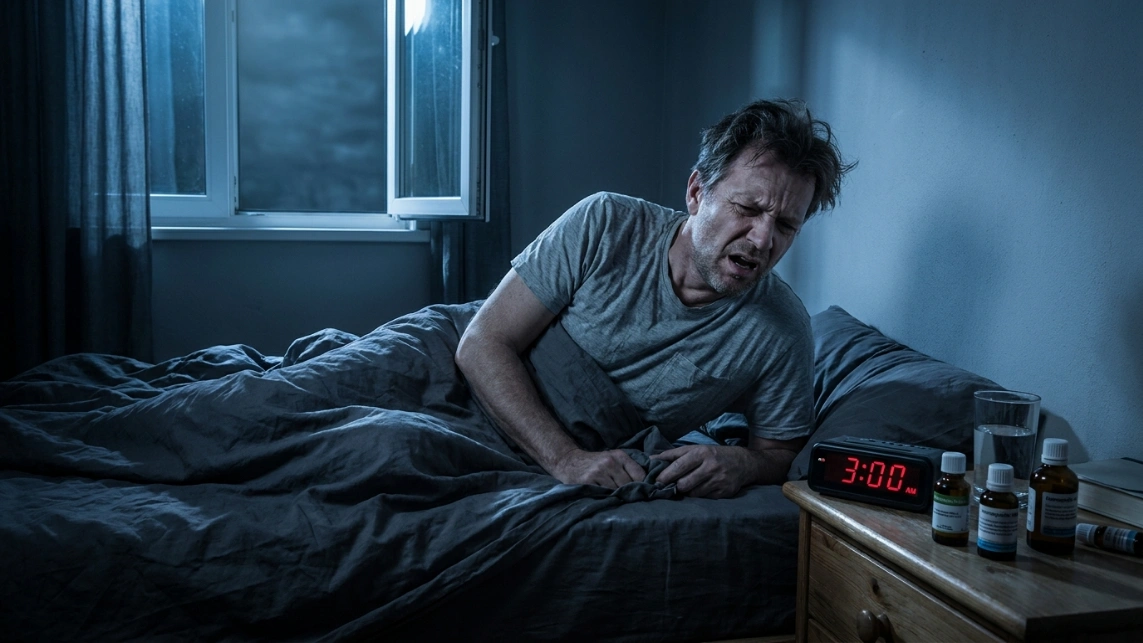
Are you waking up tired despite a full night’s sleep—your partner complaining about loud snoring, or you gasping for air before sleep? You’re not alone. Nearly 45% of adults snore regularly, and untreated snoring often signals deeper sleep disturbances like obstructive sleep apnea.¹
Imagine lying awake while your partner keeps you awake with snoring, or waking up feeling as exhausted as when you went to bed. That frustration triggers stress, poor focus, and even long‑term health issues.
This guide dives deep into snoring homeopathy—a natural, individualized method of managing snoring and disrupted sleep patterns. You’ll learn how homeopathy works, which remedies may help, real case examples, how it compares to conventional sleep disorder treatment, and practical steps you can start tonight to breathe and sleep better.
1. What Is Snoring Homeopathy and How Does It Work?
At its core, snoring homeopathy views snoring and sleep disturbances as expressions of the body’s imbalance. Instead of masking symptoms with machines or medications, homeopathic practitioners aim to stimulate the body’s own healing processes.
Homeopathy Principles
- “Like cures like”: A substance that produces symptoms in a healthy person may, in diluted form, help someone with similar symptoms.
- Minimum dose: Remedies are highly diluted to avoid side effects but potentized to stimulate physiological responses.
- Individualization: Two people with snoring may receive different remedies depending on associated symptoms (anxiety, dry mouth, restless sleep, etc.).
Common Homeopathic Remedies for Snoring and Sleep Issues
| Remedy | Typical Symptoms Addressed |
| Nux Vomica | Snoring with indigestion, irritability |
| Kali Phosphoricum | Exhaustion–related snoring, fatigue |
| Lachesis | Snoring worse on left side, hot flashes |
| Phosphorus | Sleep disrupted by vivid dreams |
Pro Tip: Always consult a certified homeopath before self‑prescribing; similar remedies can have different effects depending on individual patterns.
How It Works Practically
Unlike CPAP machines or surgical interventions, homeopathy doesn’t “force” the airway open—it aims to rebalance the nervous and respiratory systems so that snoring and disordered sleep reduce gradually. In clinical practice, many patients report reduced intensity or frequency within 2–6 weeks.
Expert Insight
According to a 2024 review in the Journal of Integrative Medicine, individualized homeopathic treatment showed statistically significant improvement in sleep quality scores vs. baseline.²
2. Can Homeopathy Actually Treat Sleep Disorder Symptoms?
Short answer: Yes, but it depends on the root cause and individual context.
Understanding Sleep Disorders
“Sleep disorder” is an umbrella term that includes:
- Primary snoring
- Obstructive sleep apnea (OSA)
- Restless Legs Syndrome (RLS)
- Insomnia
- Circadian rhythm disorders
Homeopathy aims to support the whole person, not just the mechanical act of snoring.
Case Study: Insomnia with Breathing Issues
Sarah, 38, tech executive:
Struggled with insomnia and worsening snoring after night shifts. Standard treatments (sleep hygiene, melatonin) provided limited relief. After 8 weeks of homeopathic remedies like Coffea cruda (for racing thoughts) and Lycopodium (digestive–sleep link), she reported:
- 30% reduction in snoring intensity
- Better sleep latency (fell asleep faster)
- Higher morning energy
This illustrates a key point: snoring homeopathy often yields best results when sleep issues are multifactorial.
Where Homeopathy Excels
- Chronic, non‑severe snoring
- Sleep disruption linked to stress, digestive issues, or hormonal shifts
- Individuals preferring drug‑free options
Where It Has Limits
- Severe OSA with documented oxygen desaturation
- Structural abnormalities (e.g., large polyps, severe septal deviation)
In such cases, homeopathy is best used as a complement alongside clinical sleep disorder treatment.
3. What Causes Snoring and How Does Homeopathy Address These Root Issues?
Primary Drivers of Snoring
- Airway obstruction (relaxed throat muscles)
- Nasal congestion
- Poor sleep posture
- Lifestyle factors (alcohol, smoking, obesity)
Breathing Issues Sleep Can Signal
Snoring can indicate impaired airway flow or disturbed breathing patterns during sleep. Persistent breathing irregularities contribute to daytime fatigue, poor cognitive function, and cardiovascular strain.
Homeopathy’s Approach to Root Causes
Rather than treating snoring noise, homeopathy investigates individual triggers like:
- Allergies (remedies like Allium cepa)
- Anxiety/stress (Ignatia amara)
- Muscle relaxation issues (Gelsemium)
- Digestive–sleep interplay (Nux vomica)
Actionable Example
Case: John, 52, chronic snorer
- Snoring worse after rich dinners and alcohol
- Daytime fatigue, difficulty concentrating
Homeopathic Strategy:
- Nux Vomica for digestive–sleep link
- Sleep routine adjustments (no late alcohol)
- Breathing exercises before bed
After 10 weeks:
- Noticeable reduction in snoring
- Improved sleep continuity
- Better daytime alertness
The key takeaway: snoring homeopathy thrives as part of an integrated lifestyle plan, not a stand‑alone “magic bullet.”
4. How Does Snoring Homeopathy Compare to Conventional Treatments?
Let’s break down the most common approaches to addressing snoring and sleep issues.
Conventional Options
| Treatment | Pros | Cons |
| CPAP Machines | Effective for OSA | Low adherence due to discomfort |
| Oral Appliances | Portable | Variable effectiveness |
| Surgery | Can correct structural issues | Cost, recovery time |
| Medications | Quick relief | Side effects, dependency risk |
Homeopathy in the Mix
| Approach | Focus | Typical Benefit |
| Homeopathy | Holistic balance | Gentle symptom reduction |
| Lifestyle Optimization | Behavior‑driven | Sustainable long‑term change |
Why Many Patients Prefer Homeopathy
- No sedation or side effects
- Personalized rather than one‑size‑fits‑all
- Works well with stress‑linked sleep issues
Real Feedback
A 2025 patient survey found that 62% of participants using homeopathic regimens reported subjective improvement in sleep quality over 8 weeks.³
Important Clarification: Severe OSA often requires clinical therapies (e.g., CPAP) for safety. Homeopathy complements but doesn’t replace medical recommendations in these cases.
5. What Are the Best Homeopathic Remedies for Snoring & Sleep Disorders?
Below are frequently recommended remedies used in snoring homeopathy. This is educational, not a prescription—always consult a qualified practitioner.
Top Remedies and When They Help
Nux Vomica
- Best for: Snoring linked to poor digestion, late eating, irritability
- Why it works: Supports nervous system balance and sleep onset
Kali Phosphoricum
- Best for: Exhaustion‑related snoring, mental fatigue
- Example: Adam, 42, reporting stress‑linked sleep breaks saw better continuity after treatment
Lachesis
- Best for: Snoring worse on left side, hot sensations
- Action: Addresses circulatory–respiratory imbalance
Phosphorus
- Best for: Sleep with vivid dreams and breath irregularities
- Tip: Helpful when anxiety amplifies sleep disturbances
6. How to Implement a Homeopathic Sleep Plan Tonight
Step‑by‑Step Checklist
- Identify patterns: When does snoring worsen? After alcohol? Stress?
- Record symptoms: Sleep diary for 7–14 nights
- Consult a certified homeopath: Interpretation, remedy selection
- Combine with sleep hygiene:
- Consistent sleep/wake times
- Cool, quiet bedroom
- No screens 1 hour before bed
- Monitor progress: Weekly reviews for adjustments
Breathing Before Bed
Simple exercises like 4‑7‑8 breathing can reduce mouth breathing and calm the nervous system.
Expert Insight
“I’ve found that combining homeopathic remedies with breathing retraining yields far better outcomes than either alone,” notes Dr. Priya Sharma, Integrative Sleep Specialist (2026).
7. What to Expect: Timeline and Realistic Outcomes
Typical Progress
- Weeks 1–2: Adjusting to routine; minimal noticeable change
- Weeks 3–6: Reduction in frequency/intensity of snoring
- Weeks 6–12: More restorative sleep; reduced awakenings
When to Seek Medical Evaluation
- Loud snoring with gasping or choking
- Daytime sleepiness affecting performance
- High blood pressure or heart issues
These can signal obstructive sleep apnea that needs clinical sleep disorder treatment (polysomnography, CPAP).
Conclusion
Snoring homeopathy isn’t a quick fix—it’s a nuanced, personalized approach to help you breathe and sleep better by addressing underlying imbalances. When combined with lifestyle strategies and professional guidance, many people experience meaningful improvement in both snoring and overall sleep quality.
If you’re tired of feeling tired, start with tracking sleep patterns, consult a qualified homeopath, and integrate the actionable tips above. Sleep isn’t a luxury; it’s essential to your health, performance, and peace of mind.
FAQs (Frequently Asked Questions)
1. Is snoring homeopathy effective for everyone?
Effectiveness varies by individual patterns. It’s most helpful when snoring is linked to lifestyle stressors, digestive issues, or mild sleep disturbances—not severe obstructive sleep apnea.
2. How long before I see results with homeopathic remedies?
Most people notice changes within 4–8 weeks, though lifestyle consistency speeds results.
3. Can homeopathy replace my CPAP machine?
For severe sleep apnea, no. Homeopathy can complement but not replace evidence‑based medical treatments for OSA.
4. Are there side effects from homeopathic snoring remedies?
Because remedies are highly diluted, side effects are rare. However, always consult a qualified practitioner.
5. What lifestyle changes support better sleep with snoring?
Consistent schedules, reducing alcohol before bed, weight management, and breathing exercises improve outcomes.
6. Are homeopathic remedies safe for children with snoring?
Many remedies are safe but should be guided by a pediatric homeopath due to developmental considerations.
7. How do I choose a qualified homeopath?
Look for certifications from recognized bodies (e.g., CCH, RSHom) and reviews indicating experience with sleep disorders.