


Have you ever felt overwhelmed by the constant irritation of red, itchy, or inflamed skin? A Skin Allergy is a common yet distressing part of modern living, but managing it effectively can make all the difference in maintaining your health and well-being. Whether you’re facing seasonal triggers or reacting to specific environmental allergens, the toll these reactions take on your mind and body is real.
Homeopathic medicine has become an increasingly popular option for individuals seeking natural remedies for skin relief. With a growing interest in alternative medicine, many people are turning to homeopathy for its personalized approach to managing dermatological issues. But with so many options available, how do you know which homeopathic medicine is the best for your unique needs?
In this guide, we’ll walk you through how to choose the best homeopathic medicine for relief, provide actionable tips for integrating it into your lifestyle, and help you find the right fit to heal your skin naturally.
What is Homeopathy, and How Does It Relate to Skin Allergy & Natural Healing?
Before diving into choosing the right homeopathic medicine, it’s important to understand the fundamentals of homeopathy and how it works in relation to physical healing and skin health.
What Is Homeopathy? Homeopathy is a system of alternative medicine that uses highly diluted substances to stimulate the body’s natural healing processes. It is based on the principle of “like cures like,” meaning that a substance that causes symptoms in a healthy person can, in very diluted forms, help treat those same symptoms in someone who is ill.
How Does Homeopathy Help with Relief? Homeopathy views skin issues as a disruption of the body’s natural balance, affecting not only the outer surface but also the internal immune response. By prescribing individualized remedies based on the person’s unique symptoms—whether they’re redness, swelling, or intense itching—homeopathic medicine works to restore balance and help the body adapt in a healthier way.
For example, if a reaction manifests as burning, stinging, or dry patches, homeopathy might suggest specific remedies to address these symptoms directly. Unlike conventional medicine, which typically focuses on suppressing the symptoms with creams, homeopathy aims to treat the underlying cause, making it a holistic approach.
How Do You Know Which Homeopathic Remedy Is Right for You?
Choosing the best homeopathic remedy for skin relief isn’t a one-size-fits-all approach. The right remedy for you will depend on several factors, such as the nature of your reaction, your personality, and how your symptoms physically manifest.
Step 1: Identify the Root Cause Reactions can be triggered by various factors, including dust, pollen, certain foods, or chemical exposure. To select the best remedy, it’s crucial to identify the underlying cause. Is it situational, chronic, or something deeper? Homeopaths often start by examining the triggers.
Step 2: Observe the Physical Symptoms Homeopathy treats the mind-body connection, so it’s important to take note of the physical symptoms. Do you experience burning heat, fluid-filled blisters, dry scales, or extreme itching that worsens at night? Homeopaths look at how the skin manifests these changes to choose the right remedy.
Step 3: Consider Your Emotional and Mental State The emotional state during a flare-up can also guide your remedy selection. Are you feeling restless, irritable, or perhaps exhausted by the discomfort? Remedies like Calcarea Carbonica may help people who feel overwhelmed, while Natrum Muriaticum might be recommended for skin issues linked to internal emotional distress.
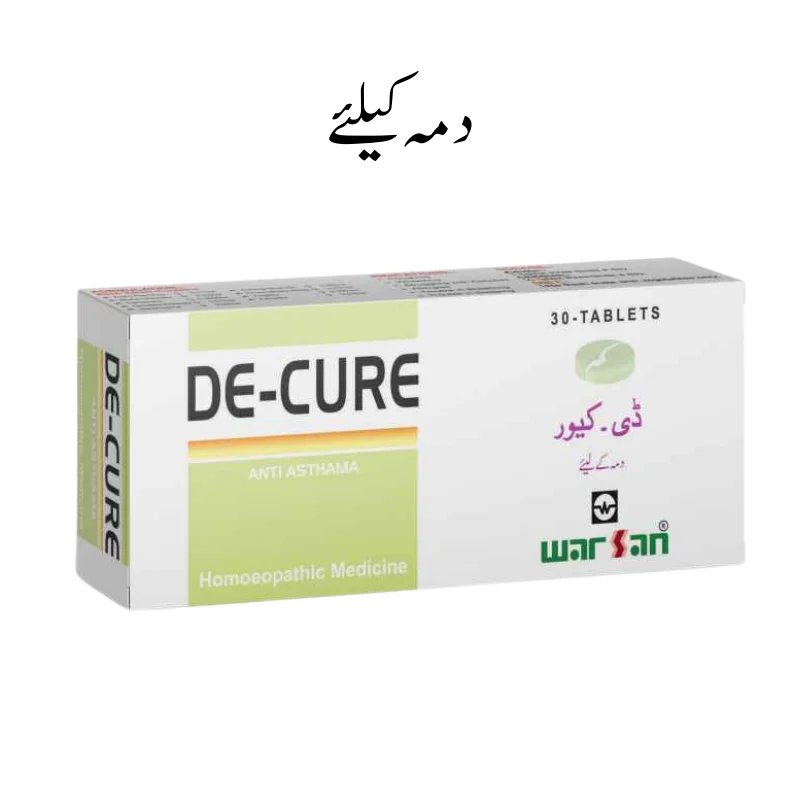
De-Cure Tablets
Popular Homeopathic Remedies for Skin Relief
Here are some of the most commonly used homeopathic remedies, each targeting different aspects of skin health:
-
Apis Mellifica (Apis) Apis is ideal for those who experience sudden swelling or stinging pain, much like a bee sting. If your skin is red, puffy, and feels better with cold applications, Apis could be an effective remedy to restore balance.
-
Arsenicum Album (Arsenic) Arsenicum Album is often recommended for individuals dealing with dry, itchy skin that burns. Those who feel restless and anxious, particularly when symptoms worsen at midnight, may find relief with this remedy.
-
Calcarea Carbonica (Calcium Carbonate) This remedy is often used for individuals who experience skin issues alongside a lack of confidence or feeling overwhelmed. It’s particularly helpful for chronic skin conditions in people who tend to feel chilly and sluggish.
-
Natrum Muriaticum (Sodium Chloride) For individuals experiencing skin eruptions in the bends of joints or along the hairline, Natrum Muriaticum can be beneficial. It’s particularly effective for dry, crusty eruptions that may be triggered by heat or emotional stress.
-
Antimonium Crudum If your skin symptoms include thick, cracked skin or rashes that appear after eating certain foods, this remedy can be helpful. It is often used when the skin looks “dirty” or has hard, honey-colored scabs.
How Should You Take Homeopathic Medicine for Relief?
Taking homeopathic remedies requires careful consideration of dosage and timing. Here’s what you need to know:
Homeopathic Dosage Guidelines
-
Potency: Homeopathic remedies come in various potencies, such as 6C, 30C, or 200C. For skin issues, remedies are typically started in lower potencies like 6C or 30C.
-
Frequency: It’s important not to overdo it. Homeopathic medicines are typically taken in single doses until improvement is noted, following the guidance of a qualified homeopath.
-
When to Take: Remedies can be taken during acute flare-ups or as a preventative measure for seasonal issues.
Pro Tip: Consult a Qualified Homeopath While homeopathy is generally safe, it’s advisable to consult with a qualified homeopath before choosing and using a remedy. They will be able to tailor the treatment based on your specific symptoms and history.
Common Types of Skin Conditions Treated by Homeopathy
Understanding the specific type of reaction you are facing is key to selecting the right remedy. Homeopathy is highly effective for various conditions, including:
-
Atopic Dermatitis (Eczema): Characterized by dry, itchy, and inflamed skin. Homeopathy focuses on reducing the immune system’s overreaction to triggers.
-
Urticaria (Hives): Sudden itchy welts that appear on the skin. Remedies like Apis Mellifica are often used for the stinging sensation.
-
Contact Dermatitis: This occurs when the skin reacts to a specific substance like soap, jewelry, or plants.
-
Seborrheic Dermatitis: Primarily affecting the scalp, causing scaly patches and red skin.
The Role of Diet in Managing Skin Sensitivity
While homeopathic medicines work from within, supporting your body with the right nutrients can speed up the healing process. Consider these tips:
-
Hydration: Drink at least 8-10 glasses of water to flush out toxins that can aggravate skin issues.
-
Anti-Inflammatory Foods: Incorporate turmeric, ginger, and Omega-3 rich foods (like flaxseeds) to reduce skin inflammation.
-
Identify Food Triggers: Many people find that dairy, gluten, or excessive sugar can trigger a flare-up. Keeping a food diary can help you and your homeopath identify these patterns.
What Are the Benefits of Homeopathy for the Skin?
Homeopathic medicine offers several unique benefits for skin health, including:
-
Personalized Treatment: Homeopathy considers the individual’s unique physical symptoms. The treatment becomes highly effective because it fits your specific case.
-
Non-invasive and Natural: Unlike pharmaceutical creams that may contain steroids, homeopathic remedies are natural and gentle, making them ideal for long-term management.
-
Addresses the Root Cause: Homeopathy is focused on treating the root cause, not just masking the symptoms. This lead to more sustainable results.
Can Homeopathic Medicine Be Used Alongside Other Treatments?
Yes, homeopathic remedies can be used alongside other lifestyle changes. However, it’s essential to ensure compatibility between treatments. Many individuals combine homeopathy with natural skincare routines, gentle cleansers, or dietary adjustments for a more comprehensive plan.
Pro Tip: Integrate Skin-Soothing Practices In addition to taking homeopathic remedies, it’s beneficial to integrate other practices such as using fragrance-free moisturizers, wearing cotton clothing, and staying hydrated. These can enhance the effectiveness of your treatment.
Conclusion: Take Action for Better Skin Allergy Management
Choosing the right homeopathic medicine for skin relief requires careful thought, attention to your physical symptoms, and a holistic approach to your health. A Skin Allergy doesn’t have to be a permanent burden; by understanding your triggers and emotional state, you can select the most suitable remedy for your needs.
Remember, homeopathy isn’t a quick fix, but with patience and consistency, it can help you achieve lasting relief and healthier skin. If you’re ready to take control, start by consulting a professional homeopath and incorporating healthy lifestyle changes to achieve optimal results.
High-Quality Pipes & Fittings – Built to Last
Frequently Asked Questions (FAQs)
1. Can homeopathic medicine cure skin allergy completely?
Homeopathy aims to treat the root cause of the immune system’s overreaction. While many patients experience long-term relief that feels like a permanent cure, success depends on the person’s overall health, the nature of the allergy, and consistent follow-up treatments.
2. How quickly will I feel the effects of homeopathic skin allergy remedies?
For acute reactions like sudden hives, you may feel relief within a few hours. For chronic conditions such as long-term eczema or dermatitis, it typically takes several days or even a few weeks to notice significant internal healing and visible skin improvement.
3. Can I take homeopathic medicine for skin allergy alongside other medications?
Yes, homeopathic remedies are highly diluted and generally do not interfere with conventional drugs. It is usually safe to use them alongside antihistamines or creams, though keeping a 30-minute gap between different medications is often recommended.
4. How do I choose the right potency for my skin allergy remedy?
The choice of potency (such as 30C or 200C) depends on the severity and duration of your skin symptoms. Lower potencies are often used for mild irritation, but it is best to consult a professional homeopath to determine the exact dosage for your specific case.
5. Are there any side effects of using homeopathic skin allergy relief remedies?
These remedies are natural and non-toxic, making them free from the systemic side effects associated with steroid creams. Occasionally, a temporary and brief increase in symptoms may occur before the skin begins to clear, which is a sign of the healing process.
6. Is homeopathy better than traditional skin allergy medications?
Traditional treatments often focus on suppressing symptoms using chemical creams. Homeopathy is preferred by many because it offers a holistic approach that treats the internal cause without the risk of skin thinning or chemical dependency.
7. Can homeopathy help with chronic skin allergy conditions?
Yes, homeopathy is particularly effective for chronic and recurring skin issues. Because it uses an individualized approach based on your unique symptoms and triggers, it provides a more sustainable solution for long-term skin health.