

Breathe Easier with Herbal Remedies for Respiratory Diseases
Have you ever felt short of breath, struggling to take in a full lungful of air? Whether it’s from allergies, asthma, or other respiratory diseases , breathing difficulties can be a daily challenge. In fact, respiratory issues like asthma affect nearly 300 million people worldwide, and millions more suffer from conditions like COPD and bronchitis. The good news? You don’t have to rely solely on pharmaceuticals to improve your breathing.
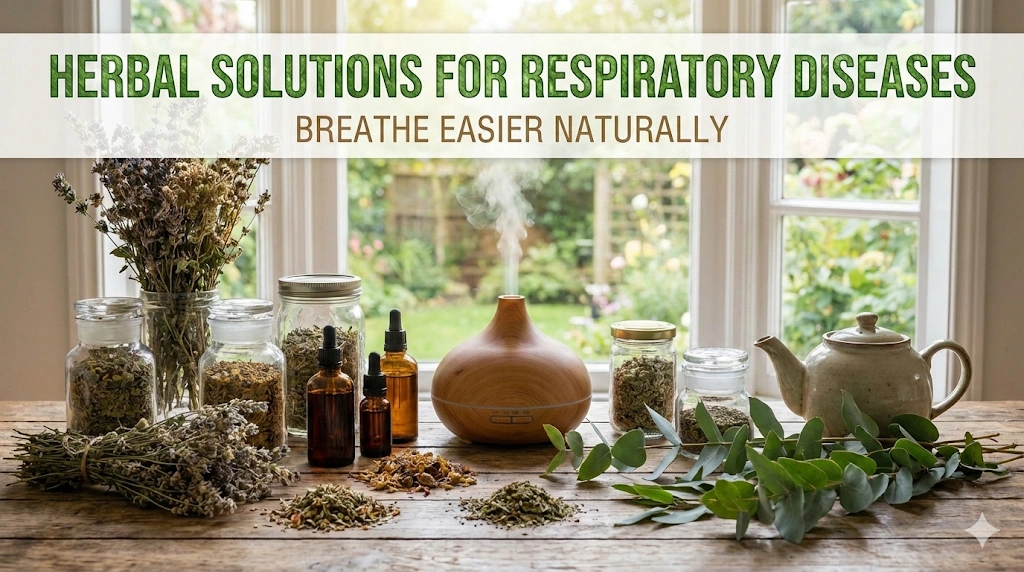
This blog will explore how herbal remedies for respiratory conditions can help you breathe easier naturally. From soothing your airways to improving lung function, nature offers a variety of potent solutions. If you’re tired of depending on conventional treatments or are looking for more holistic approaches to respiratory health, you’re in the right place. Keep reading to discover the best natural respiratory health solutions and how to incorporate them into your wellness routine.
1. What Are Herbal Remedies for Respiratory Conditions?
What Are Herbal Remedies for Respiratory Conditions?
Herbal remedies for respiratory conditions are natural plant-based treatments aimed at improving lung function, easing inflammation, and clearing the airways. These remedies often serve as a complementary or alternative option to traditional medications. They can range from teas and tinctures to essential oils and herbal supplements. Many herbs are known for their anti-inflammatory, antispasmodic, and antimicrobial properties, which make them ideal for managing respiratory issues like asthma, bronchitis, and COPD.
For example, Peppermint (Mentha piperita) contains menthol, which has a soothing effect on the respiratory tract and helps clear mucus from the airways. Thyme (Thymus vulgaris), with its expectorant properties, helps to loosen and expel mucus, making it easier to breathe.
Why Consider Herbal Remedies?
- Fewer Side Effects: Many people experience adverse side effects from pharmaceuticals like steroids and bronchodilators. Herbal remedies tend to be gentler on the body.
- Holistic Support: Herbs don’t just target symptoms—they support the body’s overall respiratory health by boosting immunity and reducing inflammation.
- Accessibility: Many herbs can be grown at home, making them a cost-effective solution for those looking to manage respiratory issues without relying on expensive medications.

Coughden Syrup
2. Which Herbs Are Most Effective for Respiratory Health?
Which Herbs Are Proven to Help with Respiratory Issues?
Several herbs have demonstrated significant benefits for those suffering from respiratory issues. Let’s take a closer look at some of the most effective herbs that promote natural respiratory health.
1. Eucalyptus
Eucalyptus is often used in steam inhalation and chest rubs to clear blocked airways. It has natural decongestant properties that help to open up the lungs and soothe irritated airways. The compound eucalyptol found in eucalyptus has been shown to reduce inflammation and thin mucus, making it easier to breathe.
- How to use: Eucalyptus oil can be added to a vaporizer or used in steam inhalation. You can also apply diluted eucalyptus oil to the chest as a balm.
2. Ginger
Ginger has long been used for its anti-inflammatory and antimicrobial properties. It helps soothe the throat, reduce coughing, and improve airflow in the lungs. Studies suggest that ginger can help reduce the airway inflammation associated with conditions like asthma.
- How to use: You can brew fresh ginger tea or add it to your meals. Ginger supplements are also available.
3. Licorice Root
Licorice root is known for its soothing effects on the throat and its ability to ease symptoms of chronic respiratory conditions like asthma and bronchitis. It acts as an expectorant and has anti-inflammatory effects that help reduce airway constriction.
- How to use: Licorice root can be consumed as a tea or in capsule form. However, it should be used with caution as it can interact with certain medications.
4. Thyme
Thyme is a powerful herb with antiseptic and expectorant properties. It’s been used for centuries to treat respiratory issues, including coughs, bronchitis, and asthma. Thyme helps loosen mucus and phlegm, making it easier to expel from the lungs.
- How to use: Thyme can be made into tea or used in essential oil form for inhalation. It’s also great as a culinary herb.
5. Mullein
Mullein is an herb often used to treat respiratory issues like asthma, bronchitis, and pneumonia. It’s known for its ability to relax the muscles of the airways, making it easier to breathe, and it also acts as an expectorant.
- How to use: Mullein can be used in teas, tinctures, or capsules. It’s often combined with other herbs like licorice root to enhance its effectiveness.
Expert Insight
Pro Tip: Always consult with a healthcare professional before introducing new herbs to your routine, especially if you’re pregnant, nursing, or on medication.
3. How Can Herbal Remedies Complement Conventional Treatments?
How Do Herbal Remedies Work Alongside Conventional Treatments?
Herbal remedies for respiratory issues don’t replace traditional medications; rather, they complement them. Many individuals use herbs to manage mild symptoms or to reduce reliance on pharmaceuticals. For example, a person with asthma might continue to use their inhalers but incorporate herbal teas or supplements to strengthen lung function and reduce inflammation.
Case Study: A study on the effectiveness of eucalyptus oil demonstrated its ability to improve the effects of bronchodilator medications used in asthma treatment, thus making breathing easier with less medication. This shows that herbal treatments can help amplify the efficacy of conventional treatments.
By supporting the body’s natural healing processes, herbs can reduce the severity of flare-ups, improve overall lung function, and help maintain a healthier respiratory system in the long run.
4. What Are the Best Ways to Use Herbal Remedies for Respiratory infections?
What Are the Most Effective Methods of Using Herbs?
Herbal remedies can be applied in various ways depending on the herb and its intended benefits. Here are a few of the most common methods for using herbs to improve respiratory health:
1. Herbal Teas
Drinking herbal teas is one of the most common and soothing ways to incorporate herbs into your routine. Teas made from ginger, thyme, or licorice root can help clear the airways, reduce inflammation, and improve overall lung function.
- Tip: Drink 1-2 cups of tea per day to see maximum benefits.
2. Steam Inhalation
Inhalation is one of the most effective ways to use herbs like eucalyptus, peppermint, and thyme for respiratory issues. Steam helps to open up the airways, while the essential oils help to relieve congestion and reduce inflammation.
- Tip: Add a few drops of essential oil to hot water, cover your head with a towel, and inhale deeply.
3. Herbal Capsules or Supplements
Herbal supplements in capsule or tincture form are a convenient option for those who don’t want to make teas or use oils. Supplements containing herbs like mullein or licorice root can be a good way to maintain respiratory health.
- Tip: Always follow the recommended dosage on the packaging.
4. Essential Oils
Essential oils, such as eucalyptus and peppermint, can be diffused into the air or applied topically (diluted with a carrier oil). These oils help to clear nasal passages and reduce congestion in the chest and sinuses.
- Tip: Diffuse essential oils in your bedroom before sleep to improve breathing while you rest.
5. Are There Any Risks to Using Herbal Remedies for Respiratory Disorders?
Are Herbal Remedies Safe for Everyone?
While herbal remedies are generally safe for most people, they are not without risks. Some herbs may interact with medications or cause allergic reactions in sensitive individuals. For example, licorice root can raise blood pressure if used excessively, and eucalyptus oil should not be ingested or applied directly to the skin without dilution.
- Case Study: A person who regularly uses asthma medication might experience increased heart rate or other side effects when combining it with stimulant herbs like ginger or licorice. Always check with a healthcare professional before combining herbs with other treatments.
Conclusion: Breathe Easier with Herbal Remedies
Herbal remedies for respiratory issues offer a powerful and natural solution for improving lung health, reducing inflammation, and easing breathing difficulties. By incorporating herbs like eucalyptus, ginger, and thyme into your routine, you can breathe easier and live better. Always approach herbal remedies with caution and consult a healthcare provider if you have concerns or are on existing medication.
For those looking to reduce their dependency on pharmaceuticals, herbal solutions can serve as a valuable complementary treatment. Try some of the herbs mentioned in this article and experience the natural power of plants to support your respiratory health.
Call to Action: If you’re looking to support your respiratory health naturally, consider exploring herbal solutions designed to ease breathing, reduce discomfort, and promote long-term lung wellness.
High-Quality Pipes & Fittings – Built to Last
Frequently Asked Questions (FAQs)
1. What are the best herbs for asthma relief?
Peppermint, eucalyptus, and licorice root are some of the best herbs for asthma. They help reduce inflammation and open the airways, making it easier to breathe.
2. Can I use herbal remedies instead of asthma medication?
Herbal remedies can complement asthma medication, but they should not replace prescribed treatments. Always consult a doctor before adjusting your asthma management plan.
3. How do herbal teas help with respiratory issues?
Herbal teas like thyme and ginger can reduce inflammation, help expel mucus, and soothe the throat, improving respiratory function.
4. Are there any side effects of using herbal remedies?
While most herbal remedies are safe, they can interact with medications. For example, licorice root can raise blood pressure, and eucalyptus oil can cause skin irritation if not used properly.
5. How long does it take to see results from herbal treatments?
Results vary depending on the herb and your condition, but it typically takes a few weeks to notice improvements. Consistency is key.
6. Can children use herbal remedies for respiratory issues?
Some herbs, like eucalyptus oil, are not recommended for young children. Always consult a pediatrician before using herbal remedies for children.