

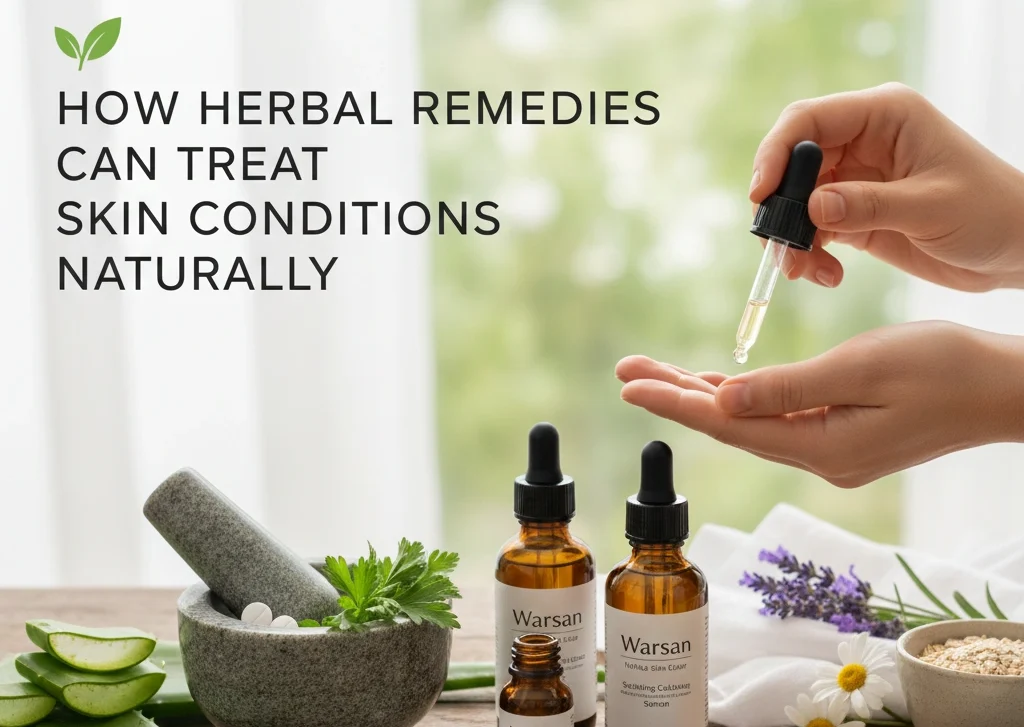
You’re not alone. Many people are seeking natural alternatives to manage common skin issues like acne, eczema, and psoriasis. In fact, 60% of Americans are now turning to herbal remedies to treat their skin naturally, avoiding the side effects of conventional treatments.
In this post, you’ll learn how plant-based solutions can be a safe and effective way to manage skin conditions. From ancient traditions to modern-day applications, you’ll discover the power of nature in healing and soothing your skin. By the end of this guide, you’ll have a clear understanding of which botanical treatments work, why they’re effective, and how to integrate them into your skincare routine.
Why Choose Natural Solutions for Skin Conditions?
What makes plant extracts effective for skin health?
Botanical treatments have been used for centuries to treat various skin conditions, and today they remain one of the most effective natural alternatives to chemical-laden skincare products. Why? The answer lies in the rich, bioactive compounds found in plants, which have been shown to possess healing, anti-inflammatory, and antimicrobial properties.
For instance, tea tree oil, derived from the leaves of the Melaleuca alternifolia tree, is renowned for its ability to combat acne thanks to its antibacterial properties. Similarly, aloe vera, a succulent with gel-filled leaves, is a natural moisturizer and anti-inflammatory agent, often used to treat burns and dry skin.
These organic solutions are often gentler on the skin and less likely to cause irritation compared to synthetic medications. They also offer a holistic approach by supporting your skin’s natural ability to heal, rather than masking the symptoms.
What skin conditions can be treated naturally?
From everyday skin irritations to chronic conditions, there’s a wide range of issues that can benefit from plant-based care. Some of the most common issues treated naturally include:
-
Acne: A condition caused by clogged pores and excess oil production.
-
Eczema: A chronic condition characterized by dry, itchy, and inflamed skin.
-
Psoriasis: An autoimmune disorder that leads to scaly patches.
-
Rosacea: A condition that causes redness and visible blood vessels.
-
Wrinkles and fine lines: Aging signs caused by a decrease in collagen.
Natural treatments target the root causes of these conditions by reducing inflammation, balancing oil production, and promoting skin cell regeneration.
Herbal Remedies for Acne: The Best Natural Solutions
How can plants help treat acne naturally?
Acne can be an ongoing battle, but botanical options offer a natural and gentle approach to managing breakouts. Tea tree oil is perhaps the most famous natural remedy for acne. Studies have shown that it can reduce acne lesions and inflammation without causing dryness or irritation. It has natural antiseptic properties that kill acne-causing bacteria without disrupting the skin’s natural balance.
Another powerful ingredient for acne is chamomile. Known for its calming properties, it can reduce the redness and swelling associated with breakouts. Calendula, derived from marigold flowers, also works wonders on acne-prone skin by reducing inflammation and preventing scarring.
Real-World Example: Tea Tree Oil Success
Emily, a 27-year-old graphic designer, struggled with adult acne for years. After trying multiple over-the-counter treatments with little success, she decided to try tea tree oil. She diluted the oil with a carrier oil like jojoba and applied it to her problem areas twice a day. Within two weeks, Emily noticed a significant reduction in pimples and redness.
Eczema Relief with Plant-Based Treatments
How can natural ingredients soothe eczema symptoms?
Eczema is notoriously difficult to manage, but botanical extracts offer significant relief. Aloe vera is one of the most popular choices for treating eczema due to its moisturizing and anti-inflammatory properties. Applying pure aloe vera gel directly to the affected areas can reduce redness, itchiness, and dryness.
Chamomile and licorice root are also excellent choices. Chamomile has been found to soothe irritated skin, while licorice root has powerful anti-inflammatory properties that can ease itching and swelling.
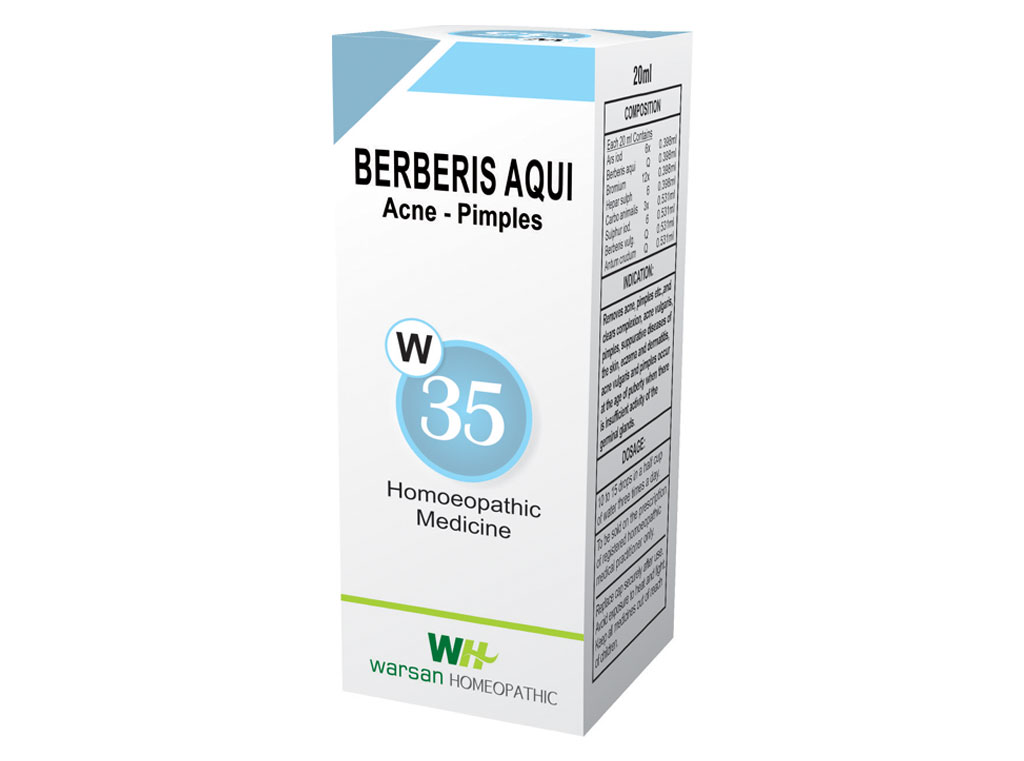
Warsan No. 35 (Berberis Aqui) 20ml
Treating Psoriasis with Botanical Care
What plants are effective for managing psoriasis?
Psoriasis is an autoimmune disorder that causes the rapid turnover of skin cells. While there is no cure, several natural ingredients can help manage the symptoms. Turmeric is a potent anti-inflammatory herb that can reduce the redness and scaling associated with psoriasis. It contains curcumin, a compound known for its ability to block inflammatory pathways in the body.
Neem is another plant often used in Ayurvedic medicine to treat psoriasis. It has antibacterial and antifungal properties, and studies suggest it can reduce the scaling and irritation caused by outbreaks.
How to Use Homeopathic Skin Treatments
Homeopathy takes a different approach by treating the person as a whole. It focuses on stimulating the body’s own healing mechanisms with highly diluted natural substances. Remedies like Sulphur are used for redness and texture, while Graphites is used to soothe dry, cracked skin.
Pro Tip: While botanical extracts are often applied topically, homeopathic remedies are typically ingested. Always consult with a practitioner before starting any new treatments.
Conclusion
Using herbal remedies offers a safe, natural, and effective solution for managing a variety of skin conditions. Whether it’s soothing acne, calming eczema, or reducing the severity of psoriasis, plants have the power to heal from the inside out. By incorporating treatments like tea tree oil, aloe vera, and turmeric into your skincare routine, you can improve your skin’s health while avoiding harsh chemicals.
Start with a few key ingredients and monitor your skin’s response. Remember, consistency is key. As always, consult with a healthcare provider or herbalist to tailor the right plan for your skin needs.
Call to Action: If you’re looking to heal and nourish your skin naturally, consider exploring herbal remedies tailored to your specific skin condition to support long-term skin health without harsh chemicals.
Buy Homeopathic Medicine Online in Pakistan
Frequently Asked Questions (FAQs)
1.Can natural treatments completely cure skin conditions?
They can significantly improve skin health and manage symptoms, but they may not completely “cure” chronic conditions like eczema or psoriasis. They are best for reducing flare-ups.
2.Is tea tree oil safe for sensitive skin?
It can be harsh if applied directly. Always dilute it with a carrier oil (like coconut or jojoba) and perform a patch test first.
3.How long does it take to see results?
Typically, you should begin seeing improvement within 2-4 weeks of consistent use.
4.Can these replace conventional medications?
They can be used alongside conventional treatments, but you should never stop prescribed medication without consulting your doctor.
5.Are there any side effects?
Most are safe, but some people may have allergic reactions. Always patch-test a small area of skin first.
6.Can I use these for anti-aging?
Yes! Ingredients like green tea and rosehip oil are packed with antioxidants that fight wrinkles and improve elasticity.