

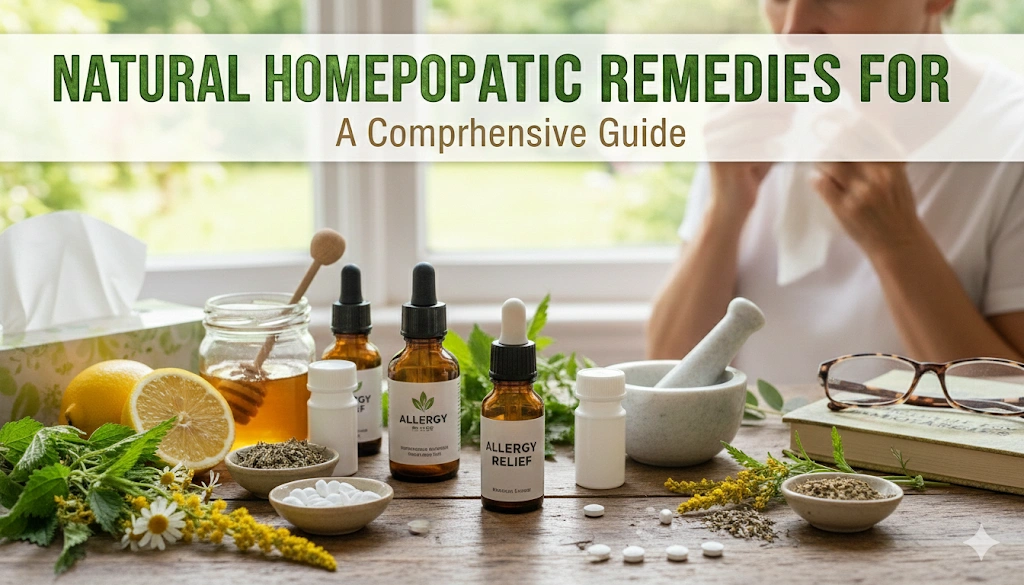
Are seasonal allergies driving you crazy?
Imagine waking up to a sore throat, itchy eyes, and constant sneezing. For many, allergy season is a battle they fight every year, with over-the-counter medications providing only temporary relief—and often accompanied by unpleasant side effects. According to the American College of Allergy, Asthma, and Immunology, about 50 million Americans suffer from some form of allergies annually. With that number steadily rising, it’s no wonder many people are turning to more natural, holistic solutions to combat their allergy symptoms.
In this post, we’ll explore effective natural homeopathic remedies for allergy relief that can offer lasting comfort, all without the side effects associated with traditional medications. You’ll also learn about herbal remedies and key practices to incorporate into your routine for long-term relief.
By the end of this guide, you’ll have the tools to manage your allergies naturally, enabling you to breathe easy and feel better year-round.
What Are Homeopathic Remedies and How Do They Work for Allergies?
Homeopathy operates on the principle of “like cures like.” This means that a substance that causes symptoms in a healthy person can, in small doses, be used to treat similar symptoms in a sick person. For example, if you experience sneezing and runny nose when exposed to pollen, a homeopathic remedy might contain a diluted form of pollen to trigger your body’s healing response.
Unlike conventional treatments, homeopathic remedies work to stimulate the body’s own natural defenses. The aim is to reestablish balance in the immune system, helping the body respond better to allergens.
Example:
One commonly used homeopathic remedy for seasonal allergies is Allium cepa (red onion), which mimics the symptoms of sneezing, watery eyes, and a runny nose often experienced when allergies flare up.
Which Natural Homeopathic Remedies Are Effective for Allergy Relief?
1. Natrum Muriaticum (Common Salt)
If your allergy symptoms primarily include sneezing, runny nose, and a congested feeling, Natrum Muriaticum can be a potent homeopathic remedy. This remedy is beneficial for people whose allergies are aggravated by the sun or heat and who experience dryness in their nasal passages.
2. Histaminum (Histamine)
For those who experience extreme itching, redness, and hives due to allergies, Histaminum is a popular choice. This remedy is based on histamine itself, the chemical released during allergic reactions, and can be an excellent solution for hay fever or insect bites.
3. Arsenicum album (Arsenic)
When allergies cause severe itching and a burning sensation, especially in the eyes, Arsenicum album may be helpful. It’s particularly effective for people whose symptoms worsen at night or during cold weather.
4. Euphrasia officinalis (Eyebright)
Euphrasia is ideal for individuals suffering from watery, itchy eyes, a hallmark symptom of seasonal allergies. It is often used when symptoms worsen in the evenings or when allergens like pollen or dust are prevalent in the environment.
How Can Herbal Remedies Complement Homeopathy in Allergy Ease?
While homeopathic remedies work by stimulating your body’s natural healing abilities, herbal remedies for allergies target inflammation and immune responses directly. When combined with homeopathic remedies, herbal treatments can provide an added layer of support.
Common Herbal Remedies for Allergy Ease
- Butterbur: This herb has been shown to be effective in reducing hay fever symptoms, including nasal congestion and sneezing. Studies suggest that butterbur can block leukotrienes, chemicals involved in inflammation.
- Nettle: Nettle is a powerful anti-inflammatory and natural antihistamine. It works by inhibiting the release of histamines, the chemicals responsible for the symptoms of allergies.
- Peppermint: Peppermint is known for its soothing properties and can help relieve nasal congestion. Drinking peppermint tea or using peppermint essential oils can provide immediate relief for allergy sufferers.
Pro Tip:
Start by incorporating herbal teas like chamomile or ginger into your daily routine. These herbs not only reduce inflammation but also support digestion and overall immunity, which are vital during allergy season.
What Role Does Diet Play in Allergy Ease?
Nutrition can significantly affect how your body responds to allergens. Some foods have anti-inflammatory properties that can help reduce allergic reactions.
Anti-Inflammatory Foods to Include in Your Diet:
- Turmeric: Contains curcumin, a powerful anti-inflammatory compound that can help mitigate allergy symptoms.
- Omega-3 fatty acids: Found in fatty fish like salmon and walnuts, omega-3s are known to reduce inflammation.
- Local Honey: Consuming local honey can help build tolerance to pollen, a key allergen in many areas.
By including these foods in your diet, you can reduce inflammation and boost your immune system’s ability to handle allergens more effectively.
Are There Any Risks or Considerations with Homeopathic Remedies?
While natural homeopathic remedies for allergy relief are generally safe, there are some things to keep in mind:
- Dilution Matters: The effectiveness of a homeopathic remedy depends on its dilution level. A remedy that is too diluted might not work, while one that is too concentrated can cause adverse reactions.
- Consult a Professional: It’s important to consult with a professional homeopath or healthcare provider before starting any new treatment, especially if you’re already on other medications. This ensures that the remedies you’re using don’t interact negatively with your current treatments.
- Long-Term Use: Homeopathic remedies work best when used over time. Be patient and consistent in their application.
Expert Insight:
“One of the most effective ways to manage allergies with homeopathy is through a comprehensive approach that includes lifestyle adjustments, such as diet, stress management, and using remedies as needed.” — Dr. Linda Brown, Homeopathic Practitioner.
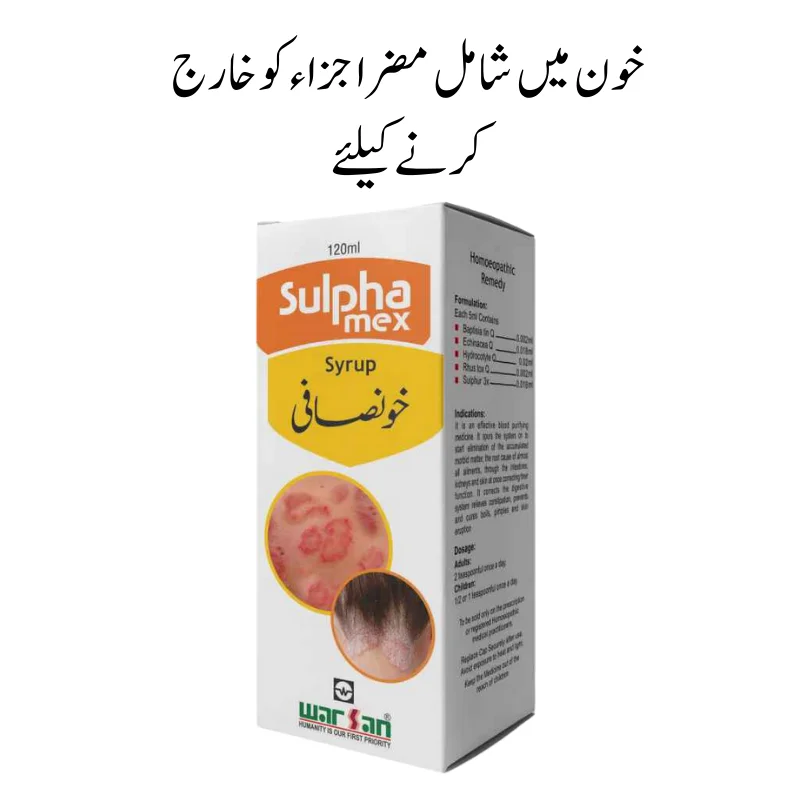
Sulphamex Syrup
Can Homeopathic Remedies Replace Conventional Treatments?
Homeopathic remedies can be a useful complementary treatment, but they shouldn’t necessarily replace conventional allergy treatments. If you suffer from severe allergies, such as anaphylaxis, always keep your prescribed medication (e.g., epinephrine injectors) on hand.
However, for those with mild to moderate symptoms, natural remedies can be an effective way to reduce reliance on pharmaceuticals. Many people find that using homeopathy and herbal remedies together can reduce the frequency and severity of symptoms over time.
Conclusion
Incorporating natural homeopathic remedies for allergy relief into your routine can provide a holistic solution to allergy symptoms. By combining homeopathy with herbal remedies, dietary changes, and stress management, you can take control of your allergies without relying on conventional medications.
Take the first step today by trying out some of the remedies we discussed. If you’re new to homeopathy, consider consulting a professional to guide you in finding the right remedies for your specific symptoms.
Call to Action: If you’re seeking safe and natural relief from allergies, consider exploring homeopathic remedies tailored to your symptoms, helping reduce discomfort and support long-term respiratory and immune health.
Buy Homeopathic Medicine Online in Pakistan
Frequently Asked Questions (FAQs)
1. What is the difference between homeopathy and herbal medicine for allergies?
Homeopathy uses diluted substances to stimulate the body’s healing process, while herbal medicine involves using plant-based remedies to address specific symptoms.
2. Can homeopathic remedies work for all types of allergies?
Homeopathic remedies can be effective for a variety of allergies, including seasonal allergies, dust, and pet allergies, though they may not work for everyone.
3. Is it safe to use homeopathy with conventional allergy medications?
Homeopathy is generally safe to use with conventional medications, but it’s always best to consult with your healthcare provider before starting any new treatment.
4. How long does it take for homeopathic remedies to work?
Homeopathic remedies may take a few days to several weeks to show noticeable results, depending on the severity of your symptoms.
5. Are there any side effects with homeopathic allergy treatments?
When used correctly, homeopathic treatments have minimal side effects. However, taking remedies that are too concentrated or not suited to your symptoms could cause temporary aggravation.
6. Can children use homeopathic remedies for allergies?
Yes, many homeopathic remedies are safe for children, but always consult a healthcare provider to ensure the right dosage and remedy.
7. How can I tell if homeopathy is working for me?
If you notice a gradual reduction in allergy symptoms like sneezing, congestion, or itchy eyes, it’s likely that the homeopathic remedy is effective.