


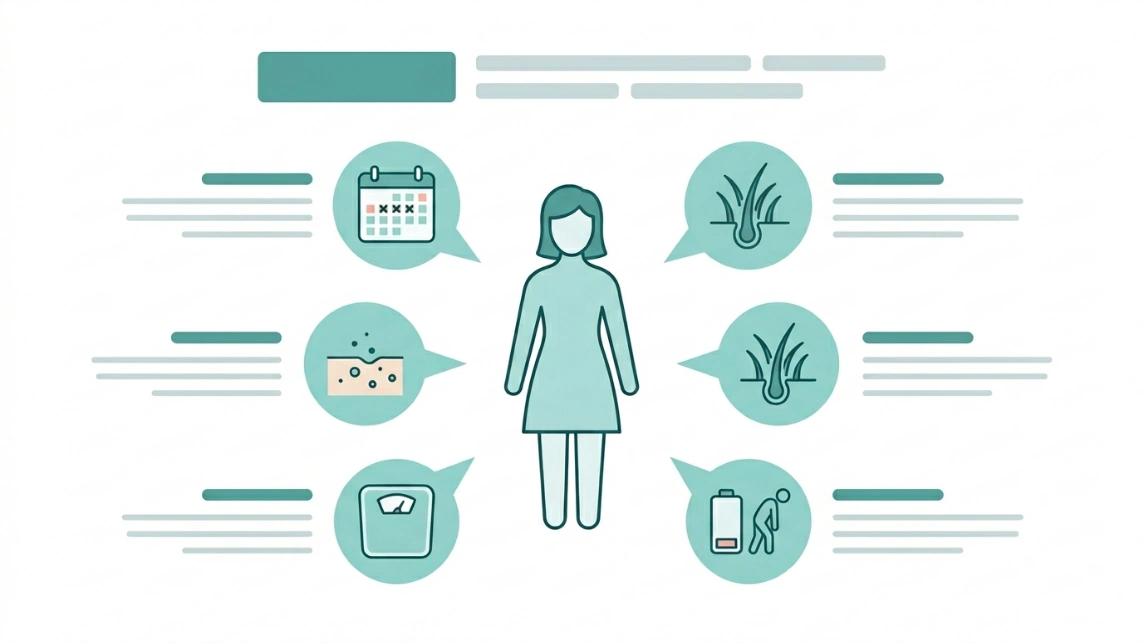
A 27-year-old woman visited a homeopathic clinic in Lahore with a common set of concerns: irregular periods for the past eight months, unexpected weight gain, and persistent acne that had not improved despite trying different treatments. Her blood tests confirmed what she had already suspected — polycystic ovary syndrome (PCOS). She is not alone in facing these challenges. Interest in Homeopathy for PCOS in Pakistan has been steadily increasing as more women explore gentler, non-hormonal options alongside their existing medical care.
PCOS affects an estimated 1 in 5 women of reproductive age in Pakistan, yet many feel caught between birth control pills they don’t want to take long-term and a lack of clear alternatives. The frustration is real — irregular cycles, fertility worries, weight that won’t budge, and skin or hair changes that affect confidence.
This article walks through what PCOS actually is, how homeopathic medicine approaches it, which remedies are commonly used and why, practical lifestyle steps that matter in a Pakistani context, and where homeopathy realistically fits alongside conventional treatment. You’ll leave with a clearer, more grounded picture — not a miracle promise, but a real understanding of your options.
What Is PCOS — and Why Do So Many Pakistanis Suffer From It?
Polycystic Ovary Syndrome, known in Urdu as بیضہ دانی کے سسٹس (baiza dani ke cysts), is a hormonal disorder affecting how the ovaries function. It’s marked by irregular or absent periods, elevated androgen (male hormone) levels, and small fluid-filled sacs that can form along the ovaries’ edges.
The exact cause isn’t fully understood, but insulin resistance, genetics, and chronic inflammation all appear to play a role. In Pakistan specifically, several factors seem to compound the problem. Diets heavy in refined carbohydrates — white rice, naan, sugary chai multiple times a day — combined with increasingly sedentary urban lifestyles create fertile ground for insulin resistance, which is closely tied to PCOS.
Add to this the genetic predisposition seen in South Asian populations, where PCOS tends to present with more pronounced insulin resistance than in Western patients, and you get a condition that’s both common and often under-diagnosed. Many women in cities like Karachi, Lahore, and Faisalabad go years without a diagnosis, attributing irregular cycles to “stress” or “just how my body is.”
Left unaddressed, PCOS can affect fertility, increase long-term risk of type 2 diabetes, and take a real toll on mental health and self-esteem. Recognizing the pattern early — irregular cycles, unexplained weight gain, excess facial or body hair, persistent acne — is the first step toward getting it properly managed.
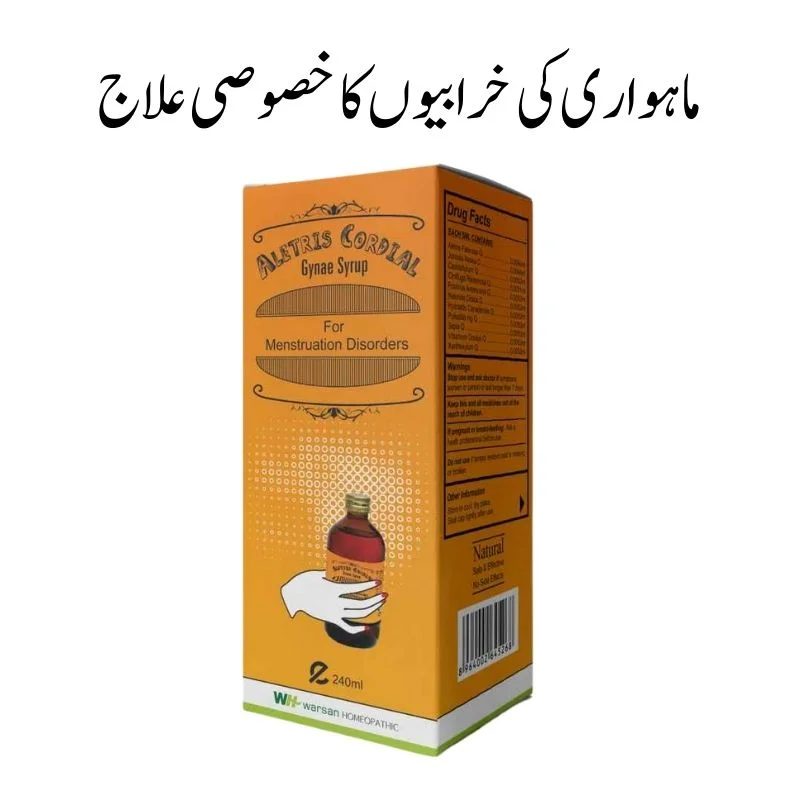
Aletris Cordial Syrup
How Does Homeopathy Help with PCOS?
Homeopathy works on the principle of “like cures like” — a substance that can produce certain symptoms in a healthy person, in highly diluted form, may help the body respond to similar symptoms when unwell. For PCOS, this means selecting a remedy based on the individual’s whole symptom picture: her cycle pattern, emotional state, weight tendencies, and skin or hair changes — not just a lab report.
This is part of why homeopathic treatment for PCOS is often described as individualized rather than one-size-fits-all. Two women with the same diagnosis might receive entirely different remedies based on how their bodies are actually expressing the imbalance.
At Warsan Homoeopathic Laboratories, we’ve been formulating and studying homeopathic medicines in Pakistan since 1977. Over nearly five decades, our practitioners and formulation teams have observed that consistent, correctly-matched homeopathic care can support more regular cycles and improved symptom comfort for many women — though, as with any approach to a complex hormonal condition, results vary by individual and homeopathy works best as part of a broader care plan that includes diet, lifestyle, and medical monitoring.
It’s worth being clear-eyed here: homeopathy is not positioned as a replacement for proper diagnosis or for monitoring conditions like insulin resistance or diabetes risk. It’s a complementary approach that many Pakistani women find genuinely supportive when used thoughtfully and under qualified guidance.
Top Homeopathic Remedies for PCOS in Pakistan
Homeopathic practitioners typically select from a number of well-known remedies depending on a woman’s specific symptom pattern. Below are some of the most commonly referenced options in PCOS literature and clinical practice. These are educational descriptions, not a self-prescribing guide — potency and dosage should always be determined by a qualified homeopathic practitioner based on individual assessment.
Pulsatilla
Often considered for women whose periods are late, scanty, or irregular, especially when accompanied by mood changes that shift easily — tearfulness one moment, better with comfort and fresh air the next. It’s frequently associated with a gentle, changeable emotional temperament.
Sepia
Commonly used when there’s a sense of hormonal exhaustion — heaviness in the pelvis, irritability, low energy, and a tendency toward indifference or low mood. Sepia is one of the most frequently discussed remedies in PCOS and broader women’s hormonal health contexts.
Thuja Occidentalis
Often considered where ovarian cysts are a prominent feature, sometimes alongside skin issues like acne or unusual growths. It’s associated with a constitutional tendency toward cystic formations.
Calcarea Carbonica
Frequently used for women with a tendency toward weight gain, fatigue, and cold sensitivity, often alongside delayed or irregular cycles. It’s associated with a sluggish metabolic pattern.
Lachesis
Sometimes indicated when symptoms intensify before the period starts and improve once flow begins, often alongside marked premenstrual irritability or a feeling of pelvic congestion.
Natrum Muriaticum
Often considered for women whose PCOS symptoms developed or worsened following emotional stress or grief, particularly where there’s a tendency toward withdrawal and salt cravings.
💡 Expert Tip: Don’t choose a remedy based on a single symptom alone. Real homeopathic prescribing matches the totality of a person’s physical and emotional pattern — which is exactly why a consultation with a qualified practitioner matters more than self-diagnosing from a list.
Warsan Product Recommendation
🌿 Looking for a ready-made formulation? Alteris cardiol syrup is one of Warsan Homoeopathic’s offerings developed for women dealing with hormonal cycle irregularities. As with any homeopathic medicine, it’s best used as part of a plan guided by a qualified practitioner who can assess your specific symptom picture.
We’d recommend booking a consultation with a registered homeopathic doctor before starting any new remedy, especially if you’re also under medical care for PCOS.
How to Use Homeopathic Remedies — Dosage, Timeline & Lifestyle Tips
Homeopathic treatment for PCOS is rarely a quick fix. Most practitioners suggest giving a well-matched remedy at least 6–8 weeks before evaluating whether cycle patterns are shifting, since hormonal systems take time to recalibrate. Exact potency, frequency, and duration should always come from a practitioner’s assessment — not a generic chart — because the right dose genuinely depends on the individual.
Lifestyle changes alongside remedy use matter enormously, particularly in Pakistan’s dietary context. Cutting back on white rice, refined flour (maida), and the multiple daily cups of heavily sweetened chai common in many households can meaningfully support insulin sensitivity. Swapping in more lentils, vegetables, and whole grains tends to help.
Regular movement — even a brisk 30-minute walk, which is realistic in most Pakistani neighborhoods regardless of gym access — supports both weight management and insulin response. Sleep matters too; irregular sleep patterns, common during Pakistani summers with late-night gatherings, can worsen hormonal imbalance.
Did You Know? Women with PCOS are up to seven times more likely to develop insulin resistance than women without the condition, which is part of why diet plays such an outsized role in symptom management — homeopathic or otherwise.
Common Mistakes That Prevent Recovery
Stopping treatment too early. Many women discontinue remedies after a few weeks because they don’t see immediate changes, not realizing hormonal conditions typically need a few cycles to respond.
Self-prescribing from online lists. Picking a remedy based on a single matching symptom, rather than the full picture a practitioner would assess, often leads to disappointing results and wastes time.
Ignoring diet and movement entirely. Expecting a remedy alone to offset a diet heavy in sugar and refined carbs sets up unrealistic expectations — homeopathy works best as one part of a broader plan.
Skipping follow-up consultations. PCOS symptoms shift over time, and a remedy that helped initially may need adjusting. Regular check-ins with your practitioner catch this early.
Avoiding medical monitoring. Some women drop conventional follow-ups (like insulin or thyroid checks) once they start homeopathy, which can let underlying metabolic issues go unmonitored.
Homeopathy vs. Conventional Medicine — A Fair Comparison
Conventional treatment for PCOS — birth control pills, metformin for insulin resistance, or fertility medications — has decades of clinical research behind it and remains the standard first-line approach, especially for women actively trying to conceive or managing significant metabolic risk. It works quickly for many and is well understood by doctors everywhere.
Homeopathy, by contrast, works more gradually and focuses on the individual’s overall symptom pattern rather than targeting a single hormonal pathway. Many women choose it because they prefer to avoid long-term hormonal medication, or want a gentler complementary option alongside lifestyle changes.
Neither approach should be viewed as automatically superior. Some women do well on conventional medicine alone; others combine both under coordinated medical and homeopathic guidance; some prefer homeopathy first for milder cases, with conventional medicine as a backup. The honest answer is that the right approach depends on symptom severity, fertility goals, and personal preference — ideally discussed with both a gynecologist and a homeopathic practitioner.
Conclusion
PCOS is a manageable condition, even though it can feel overwhelming at diagnosis. Three things matter most: understanding your specific symptom pattern, being consistent with whichever treatment path you choose, and pairing any remedy — homeopathic or conventional — with real dietary and lifestyle changes suited to daily life in Pakistan.
Homeopathy for PCOS Pakistan offers a genuinely individualized, non-hormonal option worth exploring, particularly for women looking for a gentler complementary approach. It’s not a substitute for proper diagnosis or monitoring, but for many women it’s a meaningful part of feeling more in control of their bodies again.
If you’d like to learn more about natural approaches to women’s hormonal health, explore more resources at warsan.com.pk. You may also find our related articles on managing irregular periods naturally, homeopathy for thyroid imbalance, and natural remedies for hormonal acne helpful as next reads.
This article is for educational purposes and is not medical advice. Please consult a qualified homeopathic practitioner.